Why Having Roof Insurance Is Important

Lisa Broadbent • May 3, 2022

WHAT IS ROOF INSURANCE?

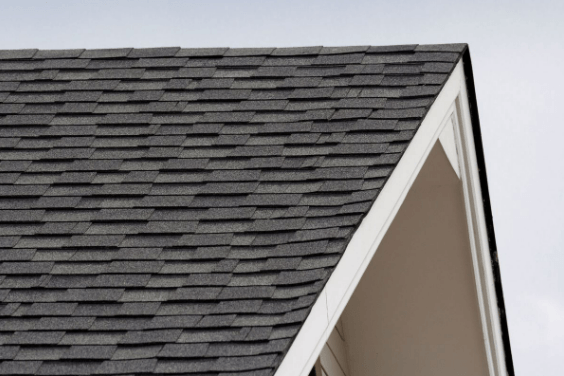
Close-up of a dark gray shingle roof against a light gray sky, with a white-trimmed gable end.

Insurance claims concerning your roof can be complicated. That’s why it’s so important to have the right homeowners coverage for your roof.

Replacing a roof is one of the most expensive home projects a homeowner will encounter. According to FORBES, the national average a homeowner will spend on installing a new roof is more than $8,000, with most people spending between $5,500 to $11,000.


While you can save up over months or years to replace an old roof, sudden damage from something like a windstorm or hail doesn’t give you that option. Don’t wait until you need to submit a claim to understand what your policy can – and can’t – pay to replace. Keep reading for general answers to a few common questions. As always, as an independent insurance agency, we can give you more specific information (including a free quote customized just for your home).

HOW DOES HOMEOWNERS INSURANCE COVER MY ROOF?

It depends on your carrier and policy; some offer more coverage than others.

Buying insurance is all about your comfort level with risk. A cheaper policy means you might pay a little less right now, but you could be stuck paying more out of pocket later if you need to file a claim. With homeowners insurance, there are different ways you can choose to be compensated when you experience a sudden loss that’s covered by your policy. That is known as your “loss settlement option.” Simply put, it’s how your insurance company assesses the cost to rebuild, repair or replace your stuff.

With some carriers, coverage for your roof is factored into the cost to insure your dwelling. Loss settlement options for your dwelling may vary by carrier, so talk to your independent insurance agent to better understand your options.

Common loss settlement options for your roof include:

  • Actual cash value (ACV) which factors in the roof’s age and condition to determine how much it’s worth as-is when you file a claim. That’s known as a depreciation amount. When the bill comes in from the roofers, an ACV policy factors in depreciation and only pays up to the amount your roof is currently worth – even if the cost to repair or replace your roof is higher than that.
  • Replacement cost , which pays to repair the damage to your roof without factoring in depreciation.
  • Functional replacement cost is the amount that it would cost to repair or replace the damaged roof with less costly common construction materials and methods which are functionally equivalent to obsolete, antique or custom construction materials and methods.

Other loss settlement options, such as extended replacement cost and guaranteed replacement cost, are also available (and good to have) with your homeowners policy. These are designed to give you an extra cushion if you experience a total loss of your home. They’re less likely to kick in if you experience a covered loss of only roof damage.

Not sure which loss settlement option you have? You can find your dwelling amount and policy limits on your declarations page.


So, when it comes to insuring a big investment like your roof – you can see how your loss settlement option can make a big difference in how you can be reimbursed after a loss.


It is important to note that homeowners insurance is not a maintenance policy, so the normal wear and tear is not covered under the policy. There must be an event that occurs and causes damage to the roof, such as fire, hail, wind, falling tree to name a few.

AGE OF ROOF AND INSURANCE

Remember that homeowners insurance is designed to cover the cost of sudden and unexpected damage. Generally, your policy doesn’t cover damage from delayed maintenance or routine wear and tear to an old roof. If your roof is worn or in poor condition, having a roof covered on an ACV basis could become a big financial burden if you must file a claim. For example, let’s say your roof has seen better days. Then, Lightning strikes and your neighbor’s tree falls on your roof. What happens next?

  • If it’s insured on an ACV basis: If your roof is damaged near the end of its life expectancy, you’ll likely see a larger deduction for depreciation… but you’ll still get the same bill for what it costs to repair or replace it. That could leave you stuck paying the difference out-of-pocket.
  • With replacement cost: There is no deduction for depreciation. This means you may pay a little more in premium for that policy (vs. ACV) –but you won’t be hit with out-of-pocket expenses

One way to make a replacement cost policy more affordable is to increase your deductible. Your deductible is the amount you pay out of pocket after a claim and before your insurance company pays its part. Ask your insurance agent to show you the cost difference with different deductibles so you can decide which dollar amount fits best with your budget.

THINGS TO LOOK FOR IN POLICIES

Since each insurance company covers roof damage differently, it pays to understand how your policy works so you don’t run into any surprises after you must file a claim.

Here are a few factors – known as “provisions” – to look for:

  • Roof payment schedule or a breakdown of how your insurance company would pay for a roof claim based on factors, such as the age of the roof. (At ERIE, roof losses are paid based on the loss settlement that you select for your home.)
  • Mandatory deductible or an amount that you will have to meet before the insurance company will cover your claim. (Most carriers allow you to choose your deductible for your home and property based on what’s comfortable for your budget.)
  • Wind or hail deductible or a separate dollar amount that applies to loss caused by wind or hail. Some carriers may require a higher wind or hail deductible without giving you a choice. While others have an optional customization that can help lower your premium.

FILING A HOMEOWNERS INSURANCE CLAIM FOR ROOF DAMAGE

Uncertainty is part of life – but that’s why you have insurance. If you think your roof is damaged and you’re considering filing a claim, here’s what to do:

  • Prevent further damage. Once the scene calms down (such as a hailstorm), take action to prevent any further damage to your home and belongings if it’s safe to do so.
  • Document what happened. Take photos of the damage and list what was affected. (An updated home inventory can be helpful here.) List any date or timeframe that the event occurred.
  • Call your insurance agent. Your agent can explain your options and help you understand if and how to file a claim.
  • Know how to spot a scam. Sometimes, fraudulent or dishonest contractors – known as “storm chasers” – show up after severe weather hits. Storm chasers may point out pre-existing damage, create their own damage, or say that there is damage when there isn’t. Learn the signs to spot hail fraud and tips for hiring a reputable contractor.

HOMEOWNERS INSURANCE THAT PROTECTS YOU WITHOUT SURPRISES

If you are unsure what your home insurance can cover – and what it can’t – ask your agent. Or you can request a homeowners insurance quote from us, Broadbent Insurance.

Then relax and enjoy more of what makes you and your family happy knowing that your home, the investments you made in your home, and the things you value most are protected. Please call Lisa Broadbent Insurance at (302) 731-0044 today for help regarding your roof insurance coverage.


Hands using a pen and calculator over a clipboard with a blue toy car, suggesting auto insurance paperwork
April 27, 2026
Avoid costly mistakes in automobile insurance with Broadbent Insurance, Inc. Serving Hockessin, DE, drivers. Click here for the best advice and coverage tips!
Finger pressing a car insurance start button on a dashboard.
April 13, 2026
Need commercial vehicle insurance in Hockessin, DE? Lisa Broadbent Insurance, Inc. can help protect your business. Call us at 302-731-0044 today.
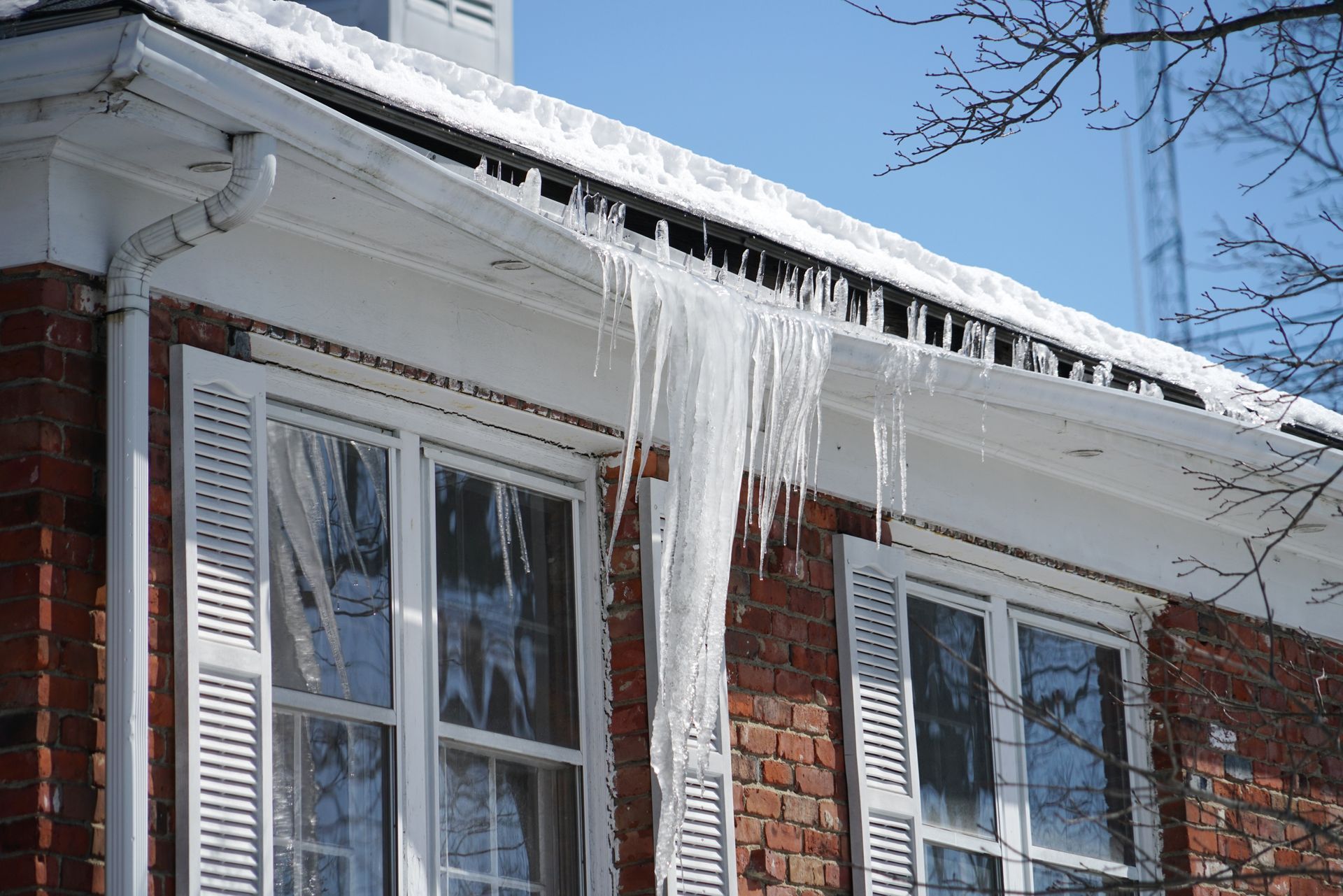
Icicles hanging from a snow-covered roof of a brick building with white shutters.
By Lisa Broadbent January 5, 2026
Taking precautions to prevent ice dams is an important part of preparing your home for winter weather. Knowing what an ice dam is , minimizing the conditions that allow one to form and removing an ice dam as soon as you spot one can help prevent serious damage to both the roof and the inside of your home. Take action before snow starts falling An ice dam may develop during the cold winter months if warm air from your home or attic melts snow on your roof. In freezing temperatures, the melted snow may refreeze once it reaches the colder edge of the roof. Keeping the temperature of your attic at 32°F or below can help prevent snow from melting and ice dams from developing. The following are some steps you can take to help prevent the snow melting-and-freezing cycle that often causes ice dams: Insulate your attic. Be sure your attic is properly insulated to help prevent warmth from escaping through ceilings. Whenever possible, an insulation value of R-40 is recommended. Prevent air leaks. Check and seal any openings where warm air or heat could escape into the attic, such as insulating or caulking around vent pipes, exhaust fans, chimneys, attic hatches and/or light fixtures. Improve ventilation. Increase the number or size of attic, roof or soffit vents that allow cold air to circulate and flush warmer air out during the winter. Install a water-repellent membrane. When replacing the roof covering, install a water-repellent membrane underneath the shingles. This acts as an extra barrier that helps prevent water from seeping inside the building should an ice dam form. Tips to help prevent ice dams through the winter Ice dams can sometimes form despite your best efforts to keep your roof at the proper temperature. Be sure to monitor the weather and maintain your roof throughout the colder winter months for additional protection against ice dams, such as: Clear gutters and downspouts. Prevent water from accumulating and possibly freezing in your gutters by cleaning leaves, debris and snow accumulation from in and around gutters and downspouts. Making sure that your gutters are properly pitched can also help prevent the collection of water in low spots and help reduce the potential for ice buildup in gutters. Remove snow accumulation from your roof after every storm. Whenever possible, use a roof rake to clear snow about three to four feet from the edge of your roof soon after each storm. Snow accumulation along the edge of your roof increases the likelihood of an ice dam developing, which prevents water from draining off the roof. This water can then back up underneath roof shingles and make its way into your home. Remove ice dams as soon as you spot them. Check your roof often and know how to help identify and remove an ice dam. CAUTION: Avoid using a ladder in snowy and icy conditions. This can be extremely dangerous and is best left to the professionals. For questions or concerns about insurance to protect your home’s roof, please contact us at 302-731-0044 , or email lisa@broadbentins.com . Our agents and staff are available Monday-Friday, 8 a.m. to 5 p.m. ET, with the exception of holidays.
Hands forming a protective gesture over a wooden car model placed on an insurance document.
November 27, 2025
Lisa Broadbent Insurance, Inc., in Hockessin explains why your auto insurance policy needs a yearly review. Call 302-731-0044 or click here to learn more.
A businessman covering a toy car with his hands, symbolizing auto insurance protection and care.
November 4, 2025
Discover trusted auto insurance in Hockessin from Lisa Broadbent Insurance Inc. Contact 302-731-0044 for expert and professional local coverage today!
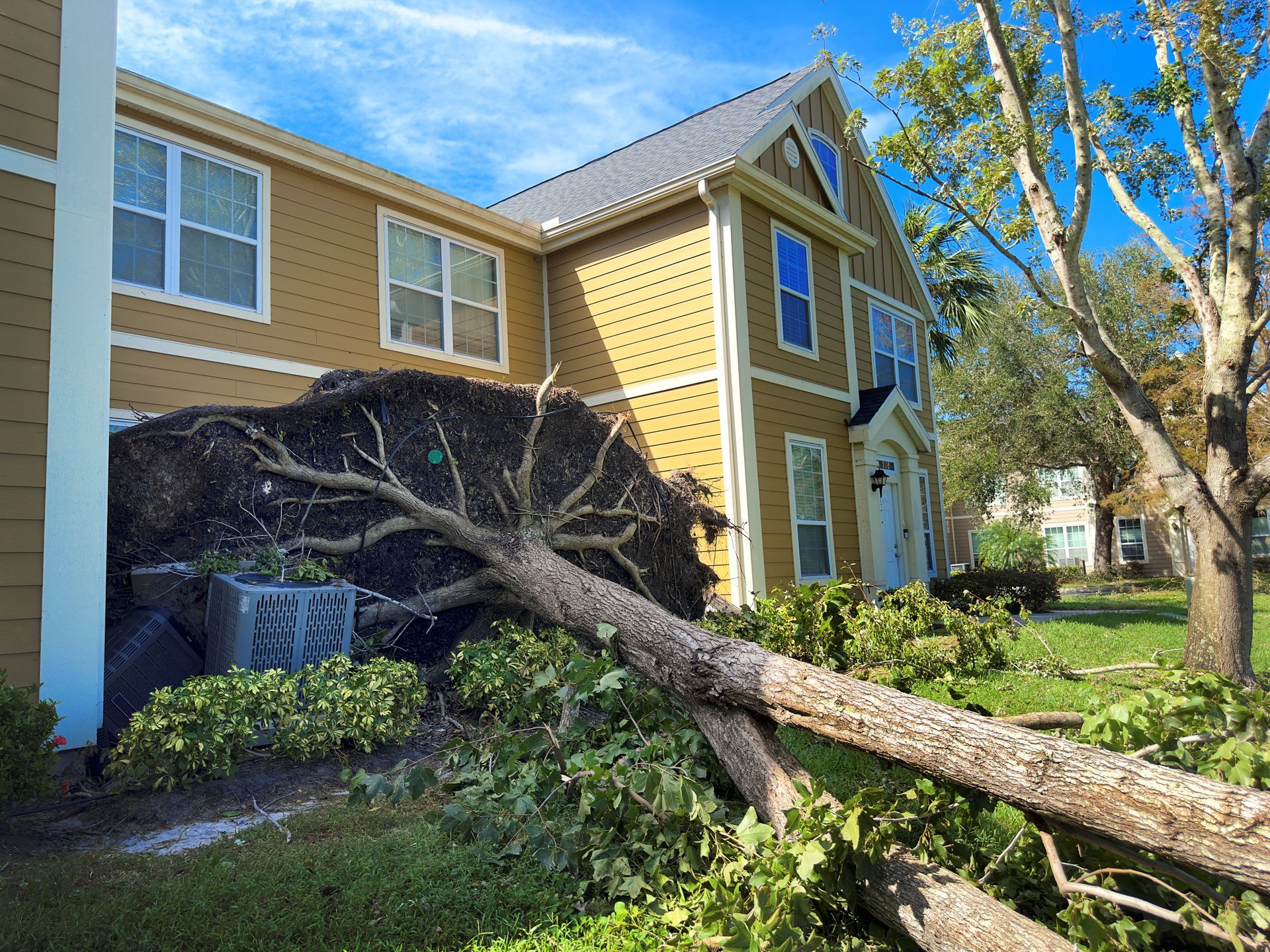
A tree fell onto a two-story yellow house after a storm.
By Lisa Broadbent July 18, 2025
Check your hurricane insurance coverage today.
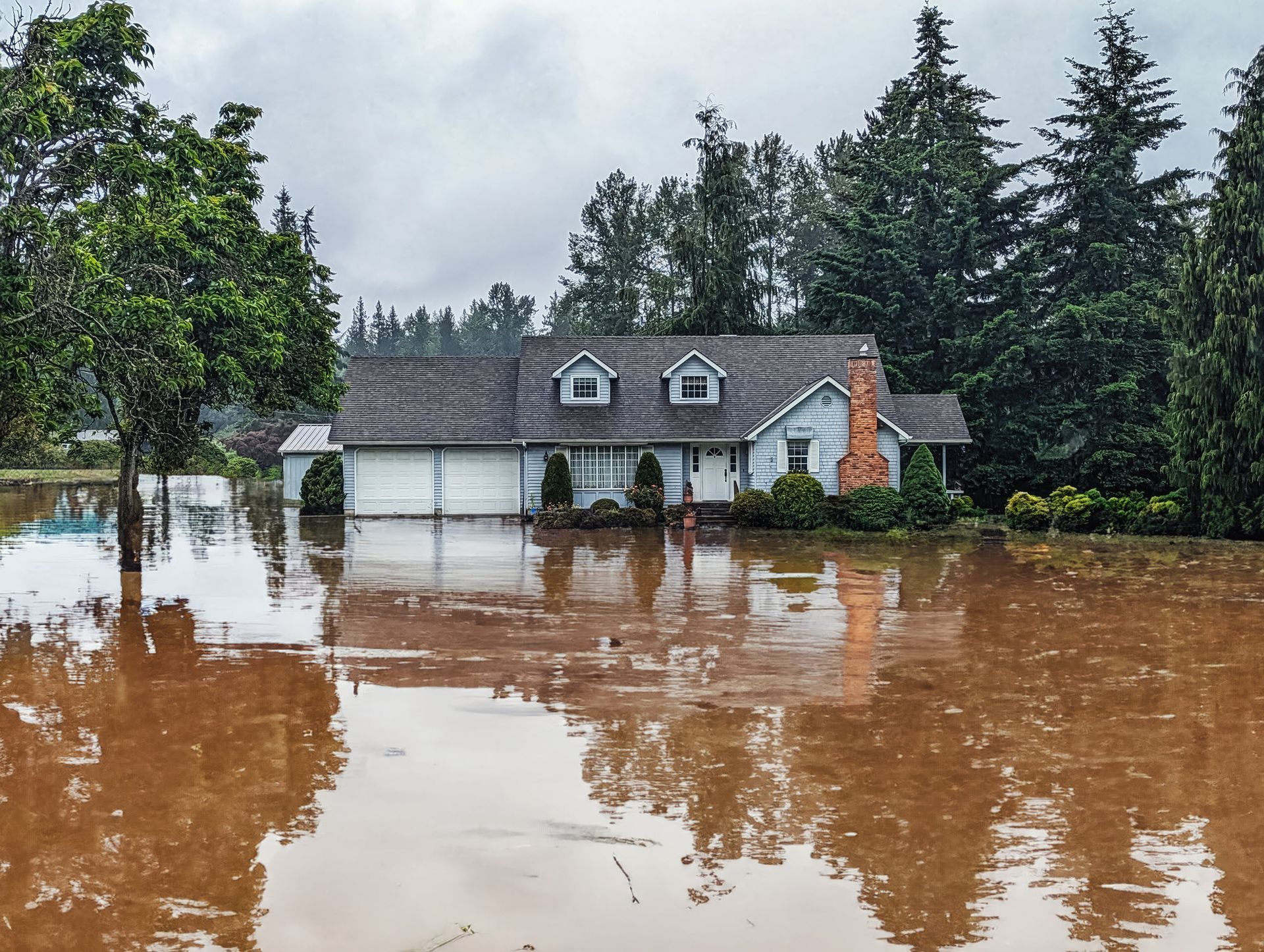
House flooded with brown water, surrounded by trees, on an overcast day.
By Lisa Broadbent June 6, 2025
Why aren't homeowners buying flood insurance? They may believe one of these myths.
Woman in a navy blue sequined dress with a corsage on her wrist, at a formal event.
By Lisa Broadbent February 8, 2025
The Dress, The Date, The Hair, The Music, and what to do after… all things that are on your teen's mind before the infamous prom night. Driving is usually not an important component in a teen's mind, but for parents it can be a big worry. Many parents often overlook the need to have honest discussions with their teens about safe driving and avoiding alcohol and drugs. Statistics show that prom and graduation season—the months of April, May and June—are the most dangerous time for teens. One-third of the alcohol-related traffic fatalities involving teens each year occur during those months. Here's an honest and teen-friendly guide to sharing concerns with your teen for one of the most important nights of their adolescent career. Many parents often overlook the need to have honest discussions with their teens about safe driving and avoiding alcohol and drugs. Have a good time. Explain to your teen that you want them to have fun and enjoy themselves. Just don't drink. Years from now, they will laugh when looking back at prom, but not if they don't remember the night. Relate it to your prom. Explain to them what you did right or wrong and what the consequences were. Don't be afraid to tell them the truth if you made some bad judgment calls. This can only help them to feel that you are human and that you regret those decisions and don't want them to make the same. Remind them of their future. High school is a great time, but they have their whole future ahead of them. Don't ruin that by drinking or doing drugs on Prom night or any night. Immature vs. Mature. Your teen may think that drinking or doing drugs and driving is what the grown-up thing is to do. Explain to them that is the most immature and irresponsible decision they could make. Being mature is about making the right decision and keeping your future in sight. Drive safe! If they are driving, make sure that they understand the responsibility of driving on Prom night. Share these six tips with your teen: Wear seatbelts. Don't speed. Be a defensive driver. Not everyone on the road is going to be as safe as you, watch out for other unsafe drivers. Don't drink or do drugs. This impairs judgment for driving and could potentially end in a fatality. If you do make a mistake, or find yourself in an uncomfortable situation, call your parents immediately. They will respect you for being mature enough to see the danger and making the right call. Don't ride with anyone who has been drinking or doing drugs. This takes your life out of your hands. Pay attention to the road while driving. Don't get distracted with cell phones, radio, or passengers. Driving is a very important responsibility and shouldn't be taken lightly. Teenage drivers have the highest crash risk of any age group and it's largely due to driver error. According to the American Academy of Pediatrics, one in four crash fatalities involve someone 16 to 24 years old, nearly twice as high as other age groups. Don't let your teenager be a statistic. Talk with your teen and communicate the importance of safe driving on Prom night and every night. Your safety is number one to us. If you want to make sure you have the right insurance coverage for your teen driver, you can contact the insurance team at Lisa Broadbent Insurance at (302) 731-0044 today to get an evaluation and free quote. Stay safe wherever you choose to go on the road.
Driver's view through windshield of a car, snowy road, approaching two arch bridges, flanked by snow-covered trees.
By Lisa Broadbant January 8, 2025
Stay safe on the roads this winter with essential driving tips from Broadbent Insurance. Learn how to prepare your vehicle and drive confidently in snowy conditions.
Deer in headlights, crossing road at night, viewed from inside a car.
By Lisa Broadbent December 3, 2024
Learn practical tips on how to avoid hitting a deer and ensure your safety on the road. Broadbent Insurance provides essential advice for drivers.
Show More