Why Your Auto Insurance Policy Needs a Yearly Review

November 27, 2025
Hands forming a protective gesture over a wooden car model placed on an insurance document.

When was the last time you took a close look at your auto insurance policy? At Lisa Broadbent Insurance, Inc., operating in the Hockessin area, we know life moves quickly and your insurance needs can too. If you’re a driver, a parent with a new teen on the road, a business owner updating vehicles, or simply adapting to any number of changes, your auto insurance policy is not something to set and forget. Regular policy reviews don’t just keep you compliant—they ensure protection matches your real life and car situation. We’re dedicated to helping our neighbors in Hockessin understand their coverage, sidestep costly gaps, and feel confident that their insurance keeps pace with their lives.

The Hidden Risks of Ignoring Your Auto Insurance Policy

Too often, clients put their auto insurance policy on autopilot. Unfortunately, this “out of sight, out of mind” approach can lead to serious coverage issues. Life changes—such as getting a new vehicle, welcoming a teen driver, shifting job commutes, or starting a business—require a reassessment of your current auto insurance policy. Missing out on these updates can mean finding yourself underinsured when you need coverage most.

At Lisa Broadbent Insurance, Inc., serving Hockessin, we frequently find gaps where policies don’t reflect new realities. For example, adding a new vehicle should immediately trigger a review of your auto insurance policy to confirm adequate liability, comprehensive, and collision protection. If you haven’t spoken to a local agent after a major life event, there’s a chance your coverage doesn’t fit your present needs.

The Impact of Life Changes on Your Coverage

Let’s explore some common scenarios where a yearly review is critical:

  • New Teen Driver: If your teenager recently got their license, your auto insurance policy needs to account for an increased risk factor. It’s vital to review coverage limits, discuss safe driving incentives, and ensure your liability reflects the new exposure.
  • New Vehicle Purchase: Upgrading to a newer or more valuable car changes the calculation for replacement value, deductibles, and coverage options. The old policy details may not provide the protection required.
  • Job Changes: Commutes and business uses evolve. You may now drive more miles or use your car for business purposes. If your work situation shifted, your auto insurance policy needs to accommodate those extra miles or commercial use.
  • Business Expansion: Maybe your business fleet is growing, or you’re using personal vehicles for deliveries. Commercial vehicle insurance makes sure your coverage keeps pace with your operations. Our team in Hockessin can help blend personal and commercial vehicle insurance so your assets are protected whether your needs are personal or professional.

This is paragraph text. Click it or hit the Manage Text button to change the font, color, size, format, and more. To set up site-wide paragraph and title styles, go to Site Theme.

Hand gripping a steering wheel inside a car during sunset with warm light shining through.

Personalized Attention: Why a Local Agent Matters

Online platforms can’t replace the personalized attention that a local agent provides. At Lisa Broadbent Insurance, Inc., we believe every client in Hockessin deserves tailored service. Our local expertise enables us to spot gaps and uncover savings opportunities unique to the community.

During our annual auto insurance policy checkups, we don’t just scan for gaps—we ask about life changes, review assets, and fine-tune commercial vehicle insurance as needed. Whether you’re insuring a family sedan or an entire fleet, local knowledge ensures your policy matches your real risk profile, not just a generic model.

If your last review was over a year ago, it’s time to connect with us. Check out our auto insurance services for more details on comprehensive coverage options.

Common Coverage Gaps We Help Our Hockessin Clients Avoid

As a Hockessin-based provider, Lisa Broadbent Insurance, Inc. has identified several common pitfalls that regular reviews can prevent:

  • Inadequate Liability Limits: Growing families or expanding businesses require higher liability protection.
  • Unlisted Drivers: Failing to add new drivers, like teens or employees, can leave you exposed during a claim.
  • Mismatched Vehicle Values: Old coverage levels may not match the current market value of your car or fleet.
  • Business Use Overlooked: Personal auto insurance policies rarely cover commercial use adequately.

Our review process ensures your policy remains clear of these common issues, whether for personal or commercial vehicle insurance needs. We stay ahead of industry trends and local regulations, so Hockessin drivers remain compliant and protected.

How Yearly Reviews Save You Money and Stress

An annual review of your auto insurance policy isn’t just about protection—it’s also about maximizing value:

  • Potential Discounts: New milestones like good student discounts or bundled home/auto packages often go unclaimed until revisited during a review.
  • Deductible Adjustments: As your circumstances change, updating your deductible can alleviate financial pressure after a claim.
  • Coverage Optimization: Aligning coverage with actual use avoids overpaying for outdated or redundant protection.

Our team at Lisa Broadbent Insurance, Inc. aims to keep your policy both effective and affordable for every Hockessin client.

Schedule Your Annual Policy Review With a Local Expert

Ready to make sure your auto insurance policy truly matches your life in Hockessin? Lisa Broadbent Insurance, Inc. is here to help keep you secure and informed. We specialize in both personal and commercial vehicle insurance, with deep expertise in the local community. Contact us today at 302-731-0044 or request a personalized review to protect yourself, your family, and your business every mile of the way.


A businessman covering a toy car with his hands, symbolizing auto insurance protection and care.
November 4, 2025
Discover trusted auto insurance in Hockessin from Lisa Broadbent Insurance Inc. Contact 302-731-0044 for expert and professional local coverage today!
By Lisa Broadbent July 18, 2025
Check your hurricane insurance coverage today.
By Lisa Broadbent June 6, 2025
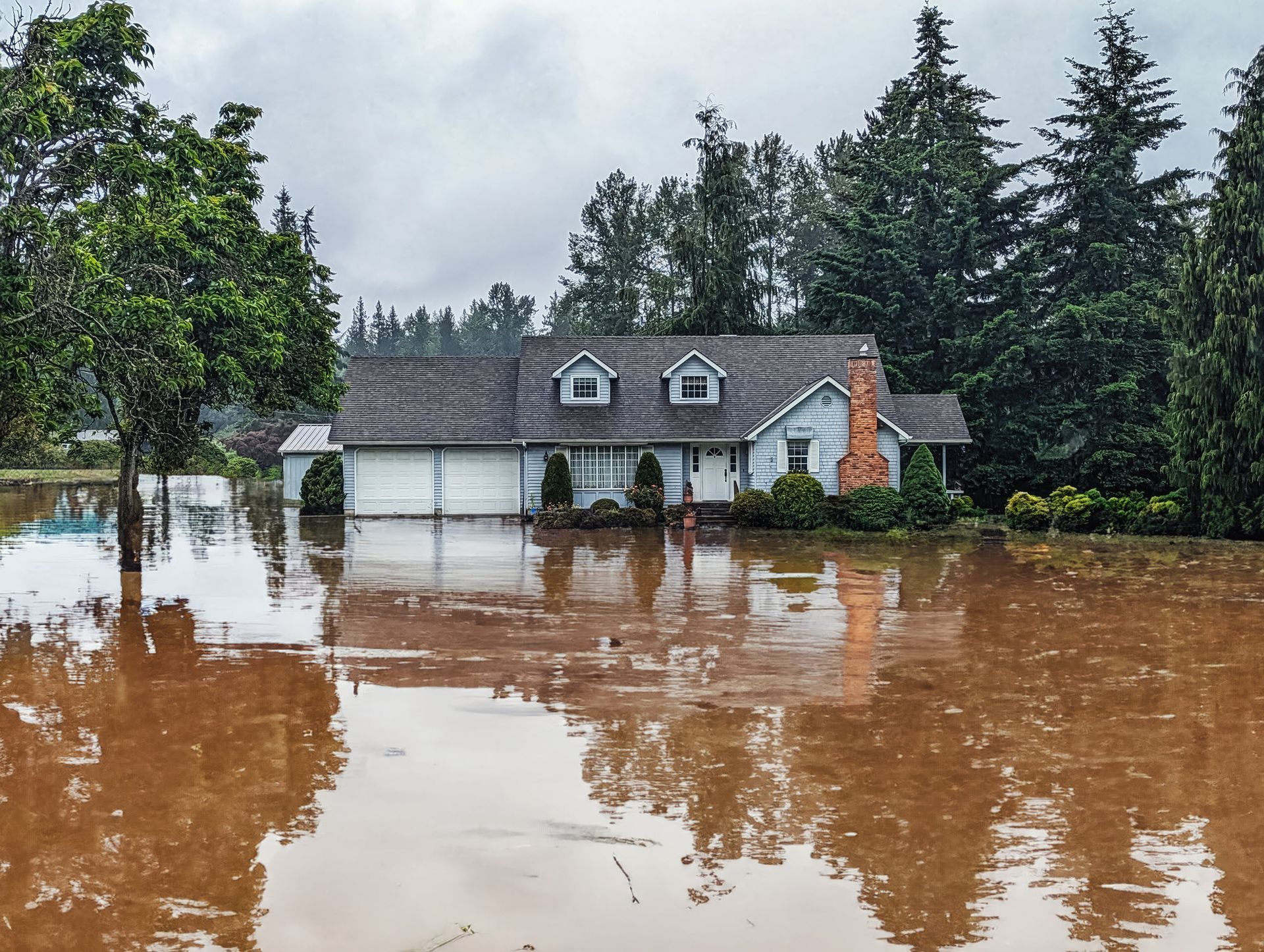
Why aren't homeowners buying flood insurance? They may believe one of these myths.
By Lisa Broadbent February 8, 2025
The Dress, The Date, The Hair, The Music, and what to do after… all things that are on your teen's mind before the infamous prom night. Driving is usually not an important component in a teen's mind, but for parents it can be a big worry. Many parents often overlook the need to have honest discussions with their teens about safe driving and avoiding alcohol and drugs. Statistics show that prom and graduation season—the months of April, May and June—are the most dangerous time for teens. One-third of the alcohol-related traffic fatalities involving teens each year occur during those months. Here's an honest and teen-friendly guide to sharing concerns with your teen for one of the most important nights of their adolescent career. Many parents often overlook the need to have honest discussions with their teens about safe driving and avoiding alcohol and drugs. Have a good time. Explain to your teen that you want them to have fun and enjoy themselves. Just don't drink. Years from now, they will laugh when looking back at prom, but not if they don't remember the night. Relate it to your prom. Explain to them what you did right or wrong and what the consequences were. Don't be afraid to tell them the truth if you made some bad judgment calls. This can only help them to feel that you are human and that you regret those decisions and don't want them to make the same. Remind them of their future. High school is a great time, but they have their whole future ahead of them. Don't ruin that by drinking or doing drugs on Prom night or any night. Immature vs. Mature. Your teen may think that drinking or doing drugs and driving is what the grown-up thing is to do. Explain to them that is the most immature and irresponsible decision they could make. Being mature is about making the right decision and keeping your future in sight. Drive safe! If they are driving, make sure that they understand the responsibility of driving on Prom night. Share these six tips with your teen: Wear seatbelts. Don't speed. Be a defensive driver. Not everyone on the road is going to be as safe as you, watch out for other unsafe drivers. Don't drink or do drugs. This impairs judgment for driving and could potentially end in a fatality. If you do make a mistake, or find yourself in an uncomfortable situation, call your parents immediately. They will respect you for being mature enough to see the danger and making the right call. Don't ride with anyone who has been drinking or doing drugs. This takes your life out of your hands. Pay attention to the road while driving. Don't get distracted with cell phones, radio, or passengers. Driving is a very important responsibility and shouldn't be taken lightly. Teenage drivers have the highest crash risk of any age group and it's largely due to driver error. According to the American Academy of Pediatrics, one in four crash fatalities involve someone 16 to 24 years old, nearly twice as high as other age groups. Don't let your teenager be a statistic. Talk with your teen and communicate the importance of safe driving on Prom night and every night.  Your safety is number one to us. If you want to make sure you have the right insurance coverage for your teen driver, you can contact the insurance team at Lisa Broadbent Insurance at (302) 731-0044 today to get an evaluation and free quote. Stay safe wherever you choose to go on the road.
By Lisa Broadbant January 8, 2025
Stay safe on the roads this winter with essential driving tips from Broadbent Insurance. Learn how to prepare your vehicle and drive confidently in snowy conditions.
By Lisa Broadbent December 3, 2024
Learn practical tips on how to avoid hitting a deer and ensure your safety on the road. Broadbent Insurance provides essential advice for drivers.
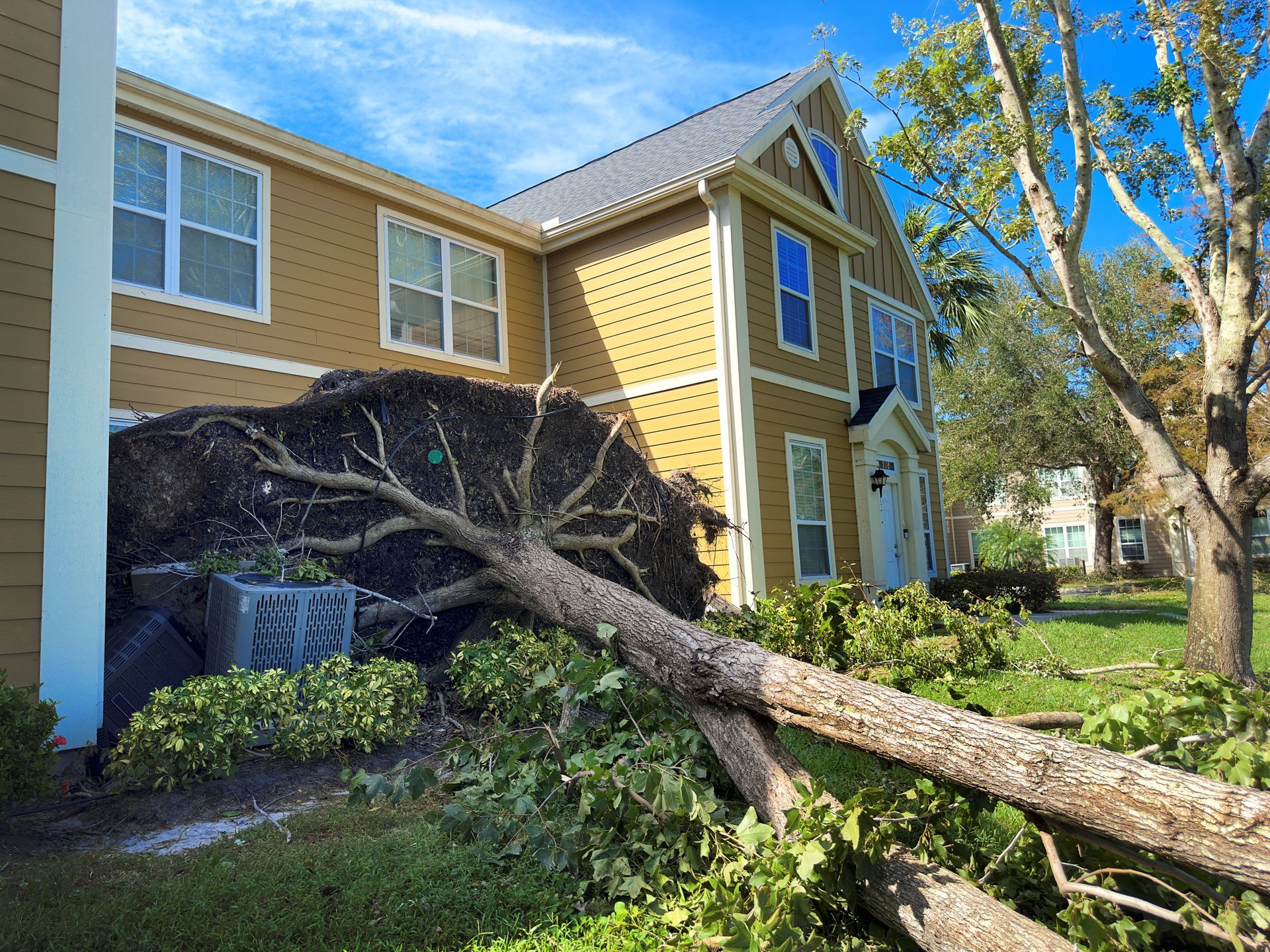
Hurricane Destroying a House - Newark, DE - Lisa Broadbent Insurance Inc
By Lisa Broadbent November 8, 2024
Hurricanes can be especially disastrous because of the many hazards they present; such hazards include high winds, hail, flooding, heavy rainfall and tornadoes. Taking Precautions To avoid a claim, be proactive. Clear any debris from your gutters, trim hazardous branches, and remove or secure any outside personal property that could blow away or strike the building. Make sure the roof and flashing are in good condition; if old or worn, replace the roof before a storm hits — most problems occur with roofs that are old, brittle and deteriorated. Have multiple sets of contact information, in addition to your policy number, ready if you need to report a claim. Know what responsibilities you have under the policy. Back up all sales and accounting records off premises. Check alarm system batteries to ensure that they are working. In the event of an evacuation, lock and secure the premises. Be mindful that you may need to document damages and take pictures. Prior to any loss, photograph and/or videotape your building and business personal property. Keep one copy of the photographs/videos on hand and the other off premises. To report a claim, call the claims department of the insurance company or our office directly at 302-731-0044 . Flooding You can never be too cautious. If your property is located near a river, a creek or a stream, consider moving your computer and other electrical/electronic equipment to the second floor. If that’s not possible, place the equipment on a desk or a shelving unit. Consider covering the equipment with tarps in case water comes through the roof. Also, if your property is a dwelling rented to tenants, please advise them in advance to be safe by checking outside water levels often during a storm. If it is unsafe to go outside, have them ask a neighbor who has an easy view of the water to be on the lookout. You can also check real-time water flow data for your area online. In addition, please do not drive onto a roadway or area with flooding. First, you don’t know the depth of the water. Floods waters look shallower than you think, and it only takes 6 inches of water for your vehicle to float away. Please think twice before you need help getting to safety. Having a Plan If you do not already have an evacuation plan, an emergency response plan or a flood emergency response plan for your property, create one as soon as possible. The best way for residents to prepare for a hurricane is to do so before hurricane season arrives: Locate evacuation routes and shelters Store water and canned food Put a first aid kit together Know where your flashlights and batteries are located For information about utility shutoff safety, preparedness tips for pet owners and people with disabilities, flood safety awareness and insurance, instructional preparedness videos and more, visit ready.gov. For information specific to hurricane weather, visit the National Weather Service’s Hurricane Center. If you need help with insurance needs related to your property and hurricanes, contact a licensed, experienced insurance professional at Lisa Broadbent Insurance at (302) 731-0044 to discuss your options. Thank you for your support and business. At Broadbent Insurance, we are always here to help. We hope you find this information helpful. Please be safe.
Home Insurance - Newark, DE - Lisa Broadbent Insurance Inc
By Lisa Broadbent October 1, 2024
Though factors relating to a home’s construction and replacement cost, claims history and the insured’s credit-based insurance score may be significant, there are other factors considered in setting rates that may surprise you. Type of home insurance policy: There are several different types of home insurance available, which differ in terms of benefits, perils covered, cost and kinds of homes that qualify for coverage. Talking with a licensed insurance agent may be useful to help you understand the different types of home insurance policy types and which may be right for you. Distance from water: Flood zones play a key role in whether you need flood insurance. If you have a federally backed mortgage, like an FHA and your home is in a high-risk flood zone, you’re required to have flood insurance. Distance from a fire station: Wherever you live, the premiums you pay for home insurance are likely to be impacted by the proximity of your home to a fire department and fire hydrant. The closer you are to a fire station and hydrant, the greater the likelihood a fire can be quickly extinguished, and severe damage or complete destruction of your home averted. The insurance industry generally uses the Fire Suppression Rating Schedule (FSRS) from the Insurance Services Office ISO) to determine your home’s fire risk. Dog breed: Having pets, especially certain dog breeds and exotic animals, may also impact your rates or even your eligibility with some companies. Some companies will simply raise your rates to account for the increased ‘bite risk.’ Even if your dog isn’t a ‘restricted breed’, a bite history could also impact your rate or ability to get coverage. However, if you are disabled and have a service animal or emotional support animal with specialty training, discuss this with your provider to see if a lower cost or discount will apply. Attractive nuisances: If you have attractive nuisances or items on your property that could be potentially dangerous and appealing — especially to children — like a pool or trampoline, you will likely see higher homeowners’ insurance costs or eligibility restrictions. Many home insurers will not insure your property if you have a trampoline or a diving board for your swimming pool. This is just a snapshot of some of the more common factors that affect your home insurance rates. There are many factors that may affect homeowners’ insurance premiums, including ones that might not be mentioned. How do endorsements affect your home insurance premium? Adding endorsements to your policy typically raises your insurance premium because you’re getting more robust coverage. The cost to add endorsements varies by endorsement type and insurance provider. In many cases, the cost of an endorsement will depend on your personal rating factors. For instance, if you add a scheduled personal property endorsement to cover valuables like jewelry, the cost to add the endorsement will be based on the value of the items you’re insuring. Although adding endorsements may raise your premium, the enhanced coverage might save you significant out-of-pocket costs if you experience a covered peril. Here are some common endorsements or additional policies that may be beneficial to homeowners: Flood insurance: Flood insurance is typically excluded from standard home insurance policies. Although some providers offer flood insurance as an endorsement, flood insurance usually comes in the form of a separate policy purchased from the National Flood Insurance Program (NFIP) or a private insurer. Even if you don’t live in a high-risk area for floods, you may still consider flood insurance. According to the Insurance Information Institute (Triple-I), 90 percent of all natural disasters in the U.S. involve flooding, and flood damage strikes frequently in low or moderate risk areas. Flood insurance is typically a requirement if you have a mortgage, and your house is in a flood plain. Earthquake insurance: If your home is near a fault line or area where mining or fracking is done, you may want to add earthquake insurance. This type of endorsement typically covers damage caused by a seismic event. However, many insurance providers specify a time after the event. For instance, your policy might note that only damage within 72 hours of a seismic event is covered. Even if you don’t live near a fault line, you might consider earthquake coverage. The National Association of Insurance Commissioners states that 42 states are at risk of experiencing an earthquake. Umbrella policy: These policies are intended to supplement your personal liability coverage. Liability coverage helps pay for legal expenses and medical costs if someone is injured on your property or you are liable for damage to someone else’s property. If you decide that your liability coverage does not provide enough financial protection, an umbrella policy could help increase your coverage. An umbrella policy may make sense if you have a high net worth, have an attractive nuisance on your property, regularly host parties at your home or simply want a greater level of liability protection for your home and vehicles at a reasonable cost. Sewer backup policy: Sewer backup insurance is not automatically covered by a homeowners insurance policy. Having this added as an endorsement to your insurance policy will help protect you financially if you experience a sewer or water backup that damages your home or belongings. There may be other options you may want to add. Speak to a licensed, experienced insurance professional at Lisa Broadbent Insurance at (302) 731-0044 to discuss optional coverages and additional policies to help create a robust insurance package for you and your home.
By Lisa Broadbent August 7, 2024
Learning how to drive is an exciting milestone for many teenagers and often a source of worry for their parents. This concern is more than warranted; teens drive less than other age groups, yet the number of crashes and fatalities for them is disproportionately high—nearly four times the rate of drivers 20 years and older. This underscores the important role that parents play in reducing the risk of terrible outcomes by supporting their teens as they learn safe driving practices. Auto accidents involving young drivers are often more severe and therefore more likely to necessitate coverage from a personal excel liability policy, also known as an umbrella policy. This coverage can offer protection for accidents once the underlying limits of the auto policy are met. Unsurprisingly, distracted driving, particularly when a cell phone is involved, is a common cause of accidents involving young drivers. Others causes simply reflect teenagers' lack of driving experience. Parents play the most important role in building safe, skilled young drivers by setting a good example and discussing safe driving practices with their teens. Plan a series of practice sessions with your teen driver that include a wide variety of situations where you can provide guidance, such as driving at night and in bad weather. Continue to teach and supervise your teen as they graduate from a learner’s permit to a license. Talking about safe driving with your teen is important but to take it a step further, you can also ask them to agree to safe driving and get it in writing with a parent-teen driving agreement. This can help ensure that your young driver hears you and helps them understand the rules of the road, plus the potential consequences of breaking them. Restrict Teenage Passengers Studies have shown that the crash risk for teen drivers increases when there are teenage passengers in the car. Passengers can easily distract a new driver, and their presence may also lead to greater risk-taking. The best policy is to always restrict teen passengers. Restrict Night Driving The most severe teen crashes occur between 9 pm and midnight. Night driving requires more skill behind the wheel and even teens who usually follow safe driving practices can be at risk. Setting restrictions around unsupervised driving after 9 pm can help increase safety. Limit Driving In Bad Weather While inclement weather makes driving more dangerous for everyone, teen drivers are more likely to lack the experience to react safely in poor conditions. Limit your teen’s unsupervised driving in severe weather until they gain more experience. Enroll In Driver's Education Enrolling your teen in a driver safety course is a great way to help them learn safer driving techniques in a controlled environment. Choose A Safer Vehicle The best vehicle for your teen is one that reduces their chances of crashing and offers protection from injury. Although they may be drawn to smaller-sized or high-performance vehicles, these introduce dangerous risk factors: small cars don’t offer the ideal protection during collisions, and inexperienced drivers can easily lose control of high-performance vehicles. Emphasize The Importance Of Seat Belts Teens and young adults have the lowest seatbelt use rate in the U.S. Just because your teen wears their seat belt while you are in the car doesn't mean it will be worn when they are driving alone or with peers. Insist that every member of your family gets into the habit of wearing a seat belt, even in the back seat or during very short trips. Nearly 50% of teenage auto fatalities in the U.S. happen in the summer between Memorial Day and Labor Day, according to Cambridge Mobile Telematics, as teens often enjoy more freedom and are more likely to be driving with young passengers during the summer months. Parents should be even more cautious during this time, keeping in mind the importance of restricting night driving and passengers. Technology That Supports Safe Driving Since the middle of the 20th century, innovation has improved outcomes when it comes to auto accidents. Ralph Nader’s monumental work around seatbelts led to the National Highway Traffic Safety Administration and then the implementation of airbags. Today, there is no shortage of technology and innovations that help to foster a safer driving experience for teens. According to a 2021 study by the Insurance Institute for Highway Safety, safe-driving technology has the potential to prevent up to three-quarters of deadly crashes where teen drivers are involved. Another auto safety study of in-vehicle monitoring technology found that young drivers are more likely to adjust their driving behavior if their parents were notified of instances of risky driving. In-car features like those offered by Buick™, Cadillac™ and Chevrolet™ allow parents to program limitations on speed and location. There are also many apps that help your teenager resist distractions like text messages and music. We recommend researching these devices and apps before deciding which one may fit your family's needs best. Our experienced agents at Lisa Broadbent Insurance are available to assist with your teen driver’s insurance needs. Call a representative at Lisa Broadbent Insurance at (302) 731-0044 and discuss your options.
By Lisa Broadbent July 2, 2024
Your roof is the first line of defense between your home and environmental hazards such as hail, wind and more. It’s an important part of your home and is also very pricey to repair or replace. Because of this, a roof is a very important factor in determining your homeowner insurance rate. Does the type of roof affect home insurance? Where you live is a big factor in your homeowners insurance rate; but roof type, including the shape and material, also plays a part in your home insurance. A roof on the coast is more likely to be damaged by strong winds than a roof in a rural inland community – and a hip-shaped roof made of steel may be less risky to insure than a flat roof made of asphalt. Insurance providers take a lot into account when rating your risk and your roof can affect your coverage. Can I get homeowners insurance with an old roof? If your roof is old, getting standard home insurance coverage may be a little challenging, but don’t despair – there are options. Depending on your situation, your homeowners insurance may be written with actual cash value on the roof, rather than replacement cost. Your agent can show you how to best handle your roof’s insurance coverage situation. Let’s dive deeper into the factors that may determine a roof insurability and how a roof can affect your insurance. Roof factors that can affect your insurance: Roof’s Age Newer roofs typically get a lower rate. The older a roof, the more susceptible it becomes to damage – making it riskier to insure. Some older roofs, usually 20 years or older depending on material, may not even be eligible for homeowners insurance coverage at replacement cost. If you’re looking at an old roof and can’t replace it, talk with your agent about their recommendations. Your policy may be written on an actual cash value instead of replacement cost or your policy may be written with coverage for the roof excluded. Condition of the Roof Even newer roofs may not be in good condition if they have not been cared for properly. It’s your responsibility as a homeowner to fix any missing shingles, repair leaks, etc. to keep your roof in good shape. The condition of your roof may play a part in the insurance rate – so it’s best to keep it in tip top condition. Roof’s Shape The shape of your roof may or may not have an impact on your insurance, depending on your insurance carrier’s needs for their rating. It’s interesting to know that certain roof shapes can withstand windstorms better than others. The 3 main roof shapes are: Hip roof A hip roof is made with an incline on all four sides, so it slopes down. Insurance providers love this because it can take stronger winds than other roof shapes with less likelihood of damage. Because of this, hip roofs usually have lower premiums. Gable roof A gable roof is widely used in today’s homes. It has two slopes on each side but the roof line at the front and back of the house stops at a point. While they don’t typically hold water and debris, they are also susceptible to wind damage. In high-wind storms or during hurricanes, a gable roof is more likely to collapse or lift off the house. Flat roof Having no slope at all, a flat roof may pool water, which can cause damage to the roof in the long run. Material of the Roof Just a quick drive through your neighborhood will show you not all roofs are made the same. The material of the roof can play a part in determining its insurability because some materials are more durable (and more expensive to repair or replace) than others.  Here are some common roof materials: Wood Wood roofs are hard to insure because they are not fireproof unless a fire retardant has been applied. Wood shingles or shakes are typically the least favored by insurance companies and will typically add an additional surcharge to your premium. Metal A metal roof is the most durable and fire resistant of the roof types, making this a fan-favorite with most insurance providers. Asphalt Affordable, durable against most elements, and long-lasting, the asphalt roof is the most used roof material. A con to this popular roofing material is they may decay easier than metal or slate. Slate or Tile Similar to metal, slate or tile roofs are low maintenance and usually hold strong against rotting, insects and debris and fire; however, unlike a metal roof, slate and tile may be more prone to cracking. Can you use home insurance for your roof? If you’re hoping to use your homeowners insurance to get a new roof, you need to know how the coverage works before you get your hopes up. Your homeowners policy will detail the coverage you have for your roof, but typically a homeowners policy will cover repairing or replacing a roof only if the damage was done by a covered peril (such as a fire, hail, windstorm, etc.). If your roof is old and it’s time to get a new one, it’s your responsibility to handle it, and your home insurance will not cover it. Additionally, it’s your duty as a homeowner to take care of the roof and replace any decaying or damaged shingles. Your roof is important. Make sure you have proper coverage by calling Lisa Broadbent Insurance at (302) 731-0044 and discussing your homeowners insurance today!
Show More