

Many Factors That Might Increase Your Home Insurance Rates
Lisa Broadbent – Dec 05,2022 • December 5, 2022
Many Factors That Might Increase Your Home Insurance Rates
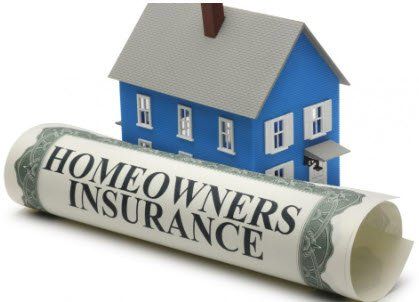
No one wants to see any of their insurance rates go up, especially their home insurance. After all, you need this coverage to protect your property. So, you should be able to afford it.
Home insurance premium increases can happen for countless reasons. Sometimes, they occur through no fault of your own. In others, however, you have control over the situation that might raise your premiums. Let’s take a closer look at common causes of rate hikes and what you can do about them.
Risk 1: Inflation
Inflation is probably the number one clause of insurance rate increases over the past 2 years. Material goods for new residential construction prices are up 18.6% over last year. This is sited from the US Bureau of Labor Statistics, Producer Price Index by Commodity. Lumber and wood are up 6.2%, asphalt roofing material prices are up 16.3% and as of August 2021 the construction industry had over 358,000 job openings and hasn’t gotten any better. Which constitutes raising construction labor costs.
Risk 2: Weather Events
In 2021, 20 separate $1 Billion loss events from weather occurred. And the estimates from hurricane Ian this year alone are $87 Billion, and this doesn’t include any other losses for the year, so losses are only getting worse. And we all share in the expense.
Risk 3: Your House is not Structurally Secure
As a home ages, safety risks might begin to beckon. Older wiring, unsafe appliances or other potential hazards might put you at risk of a fire or other issue that, while not apparent, might still lurk below the surface. These safety risks might cause your rates to increase, which is why you should always perform regular upkeep and maintenance tasks. In addition, security alarms can help lower the insurance premium. Consider having a security alarm.
Risk 4: You Make Risky Additions to the Home
If you make changes or improvements to your home, then you might face safety risks even by trying to make your home better. Adding a fireplace, swimming pool, trampoline, tree house or even a deck to the home might create additional safety risks. For example, the fireplace might become a fire risk. Swimming pools could cause injuries. Therefore, your home insurance rates might increase. Minimize these exposures but adding security features such as fences, locks, and firewalls to these additional exposures.
Risk 5: Your Neighborhood Might Become Unsafe
Most property owners are concerned about safety when choosing where to live. For example, burglaries might increase in your neighborhood. Risks of bad weather, floods or other disasters might also increase, even if they don’t directly impact your home. The fact that there is a higher likelihood of them happening could cause your home insurance rates to increase. However, by making your home more secure against weather, theft and related hazards, you can still minimize these risks.
Risk 6: You Bought More Expensive Possessions
As you accumulate more possessions, particularly possessions of value, you will likely need to buy more contents insurance. As a result, you’ll probably see your home insurance rates increase. Not only is this added coverage, but it is also added risk to the insurer. If an expensive item is damaged or destroyed, there is a change your home insurer might have to pay more.
Additionally, other factors might influence your premiums, such as inflation, state insurance regulations and adjustments to insurance risk pool might drive up your costs. Furthermore, if you make a high number of claims on your policy, then you might see increased rates, too. Still, your home insurer will work with you to make sure you maintain as affordable a premium as possible under the circumstances.
The bottom line is that all these risk factors are responsible for driving up the cost of home insurance premiums. Please call Lisa Broadbent Insurance at (302) 731-0044
so we can help you lower yours!

Shopping for auto insurance quotes in Middletown, DE? Lisa Broadbent Insurance, Inc. compares carriers to find your best fit. Call (302) 731-0044 today.

Learn Delaware's 2026 auto insurance policy rules for Middletown drivers. Lisa Broadbent Insurance, Inc. offers custom coverage. Call (302) 731-0044 today.

Understand your auto insurance policy in Middletown, DE. Lisa Broadbent Insurance covers DE minimums, PIP, and lapse penalties. Get a local quote today.

Automobile insurance in Hockessin, DE, can shield you from repair bills, medical costs, and liability claims. Call Lisa Broadbent Insurance, Inc. to find the right coverage today.

Avoid costly mistakes in automobile insurance with Broadbent Insurance, Inc. Serving Hockessin, DE, drivers. Click here for the best advice and coverage tips!

Need commercial vehicle insurance in Hockessin, DE? Lisa Broadbent Insurance, Inc. can help protect your business. Call us at 302-731-0044 today.
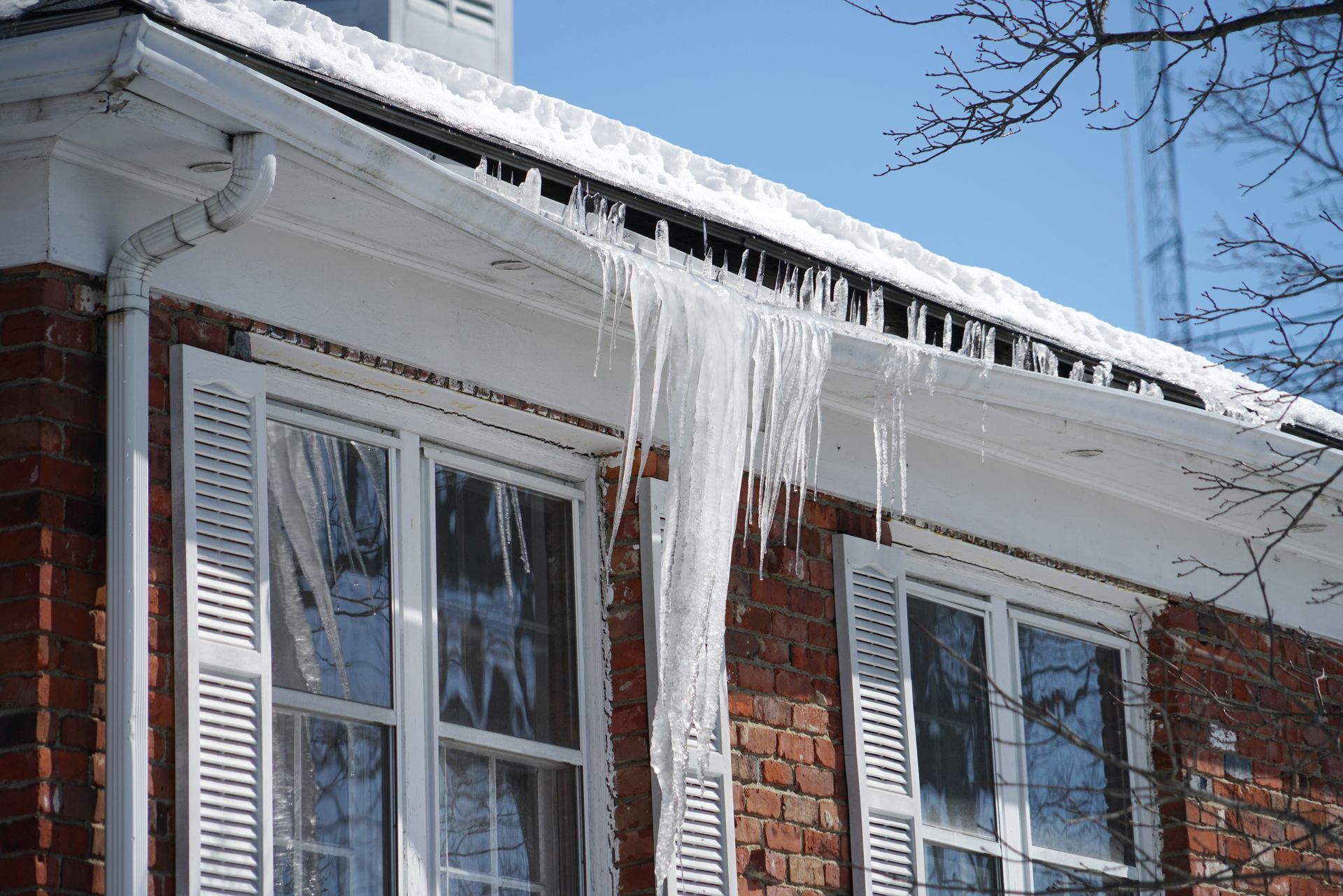
Taking precautions to prevent ice dams is an important part of preparing your home for winter weather. Knowing what an ice dam is , minimizing the conditions that allow one to form and removing an ice dam as soon as you spot one can help prevent serious damage to both the roof and the inside of your home. Take action before snow starts falling An ice dam may develop during the cold winter months if warm air from your home or attic melts snow on your roof. In freezing temperatures, the melted snow may refreeze once it reaches the colder edge of the roof. Keeping the temperature of your attic at 32°F or below can help prevent snow from melting and ice dams from developing. The following are some steps you can take to help prevent the snow melting-and-freezing cycle that often causes ice dams: Insulate your attic. Be sure your attic is properly insulated to help prevent warmth from escaping through ceilings. Whenever possible, an insulation value of R-40 is recommended. Prevent air leaks. Check and seal any openings where warm air or heat could escape into the attic, such as insulating or caulking around vent pipes, exhaust fans, chimneys, attic hatches and/or light fixtures. Improve ventilation. Increase the number or size of attic, roof or soffit vents that allow cold air to circulate and flush warmer air out during the winter. Install a water-repellent membrane. When replacing the roof covering, install a water-repellent membrane underneath the shingles. This acts as an extra barrier that helps prevent water from seeping inside the building should an ice dam form. Tips to help prevent ice dams through the winter Ice dams can sometimes form despite your best efforts to keep your roof at the proper temperature. Be sure to monitor the weather and maintain your roof throughout the colder winter months for additional protection against ice dams, such as: Clear gutters and downspouts. Prevent water from accumulating and possibly freezing in your gutters by cleaning leaves, debris and snow accumulation from in and around gutters and downspouts. Making sure that your gutters are properly pitched can also help prevent the collection of water in low spots and help reduce the potential for ice buildup in gutters. Remove snow accumulation from your roof after every storm. Whenever possible, use a roof rake to clear snow about three to four feet from the edge of your roof soon after each storm. Snow accumulation along the edge of your roof increases the likelihood of an ice dam developing, which prevents water from draining off the roof. This water can then back up underneath roof shingles and make its way into your home. Remove ice dams as soon as you spot them. Check your roof often and know how to help identify and remove an ice dam. CAUTION: Avoid using a ladder in snowy and icy conditions. This can be extremely dangerous and is best left to the professionals. For questions or concerns about insurance to protect your home’s roof, please contact us at 302-731-0044 , or email lisa@broadbentins.com . Our agents and staff are available Monday-Friday, 8 a.m. to 5 p.m. ET, with the exception of holidays.

Lisa Broadbent Insurance, Inc., in Hockessin explains why your auto insurance policy needs a yearly review. Call 302-731-0044 or click here to learn more.

Discover trusted auto insurance in Hockessin from Lisa Broadbent Insurance Inc. Contact 302-731-0044 for expert and professional local coverage today!
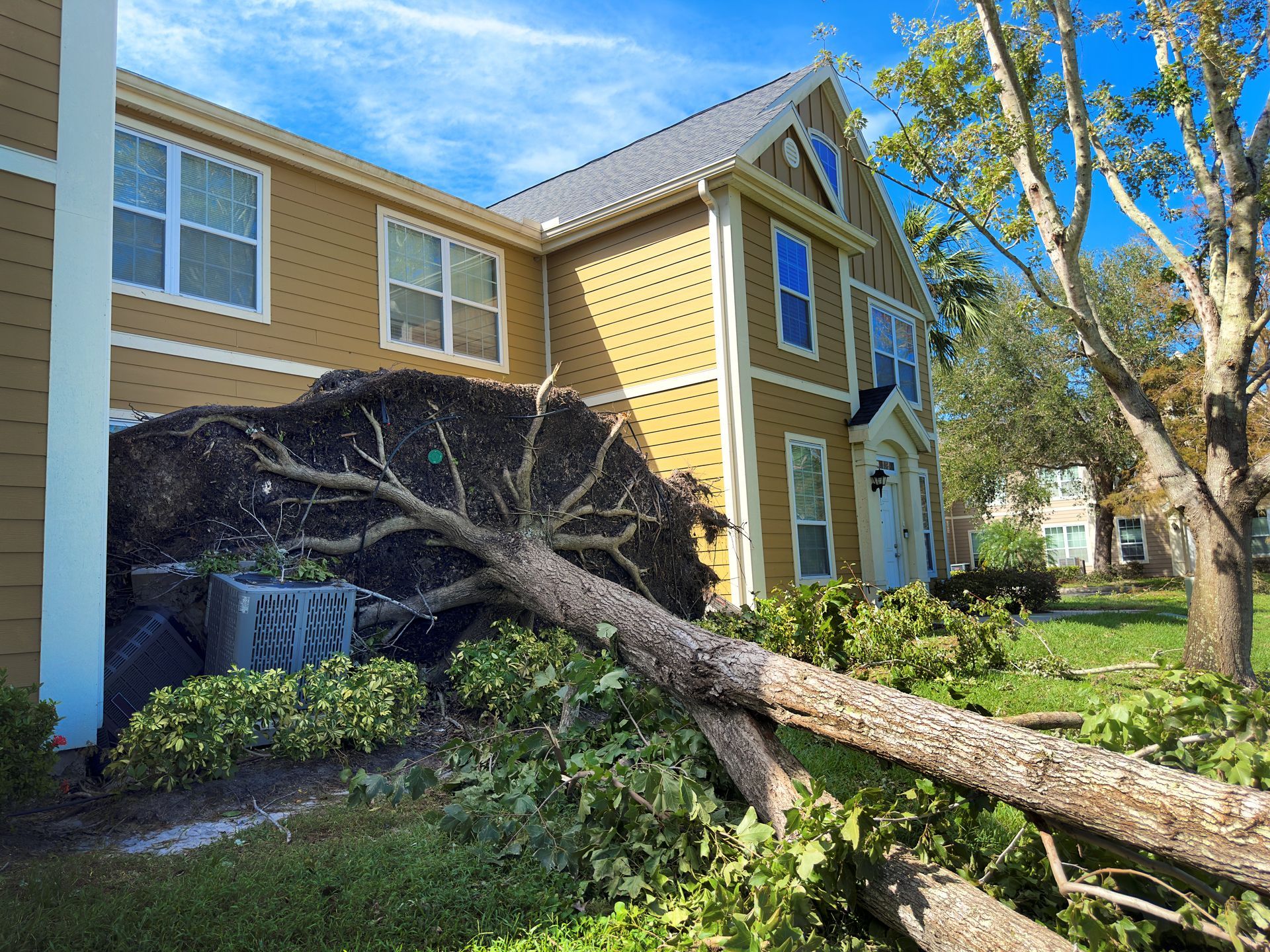
Check your hurricane insurance coverage today.






