

Does Your Auto Insurance Cover Your Camper Trailer?
Lisa Broadbent • November 7, 2022
Does Your Auto Insurance Cover Your Camper Trailer?
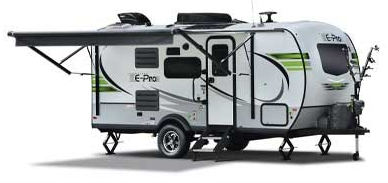
When you tow a camper trailer, you want to know that your car insurance protects you. It typically will give you some protection, but there are a few things you need to know.
Liability Coverage
When you tow a camper trailer or other trailer, the most common rule is that your liability protection will extend to driving while towing. If you cause an accident, you’d have the same liability coverage and limits as your auto insurance would give you when you weren’t towing.
The first thing to check is that the general rule applies to your insurance policy. Some insurance policies exclude towing. This is especially true if you’ve modified a car or light SUV that doesn’t come equipped for towing from the manufacturer.
Next, consider if you have enough coverage. Towing a camper trailer means your overall vehicle is heavier, it takes longer to stop, and it’s harder to steer. This increases your risk of an auto accident. In addition, a heavier total size means that the resulting damage from an accident would likely be larger. You may wish to increase your car insurance liability limits to account for this additional risk.
Collision Coverage
Your auto insurance policy may come with a small amount of coverage for accident damage to your trailer. You may also have an option to add coverage. These coverages are often designed for the type of trailer you’d use to haul a lawnmower. A camper trailer can be worth far more than your built-in coverage, so you may need to insure it separately.
Comprehensive Coverage
Your main car insurance policy may or may not provide comprehensive coverage for your camper trailer, and if it does, it may only apply when it’s attached to your truck. It could also have a much lower limit than you need. This would leave you unprotected from theft and non-accident damage. You can get full coverage with separate trailer insurance.
Personal Property
Your camping gear, cooking equipment, clothes, and everything else in your camper trailer needs personal property coverage in case of theft or damage. Your auto insurance or home insurance policies may provide some coverage but generally not enough for the full value of everything loaded into a full camper trailer. If you can’t add enough coverage to your car insurance policy, you can buy it with trailer insurance.
If you need assistance with insuring your camper trailer, please call Lisa Broadbent Insurance at (302) 731-0044 and we’ll help you understand the options that will best protect you.

Shopping for auto insurance quotes in Middletown, DE? Lisa Broadbent Insurance, Inc. compares carriers to find your best fit. Call (302) 731-0044 today.

Learn Delaware's 2026 auto insurance policy rules for Middletown drivers. Lisa Broadbent Insurance, Inc. offers custom coverage. Call (302) 731-0044 today.

Understand your auto insurance policy in Middletown, DE. Lisa Broadbent Insurance covers DE minimums, PIP, and lapse penalties. Get a local quote today.

Automobile insurance in Hockessin, DE, can shield you from repair bills, medical costs, and liability claims. Call Lisa Broadbent Insurance, Inc. to find the right coverage today.

Avoid costly mistakes in automobile insurance with Broadbent Insurance, Inc. Serving Hockessin, DE, drivers. Click here for the best advice and coverage tips!

Need commercial vehicle insurance in Hockessin, DE? Lisa Broadbent Insurance, Inc. can help protect your business. Call us at 302-731-0044 today.
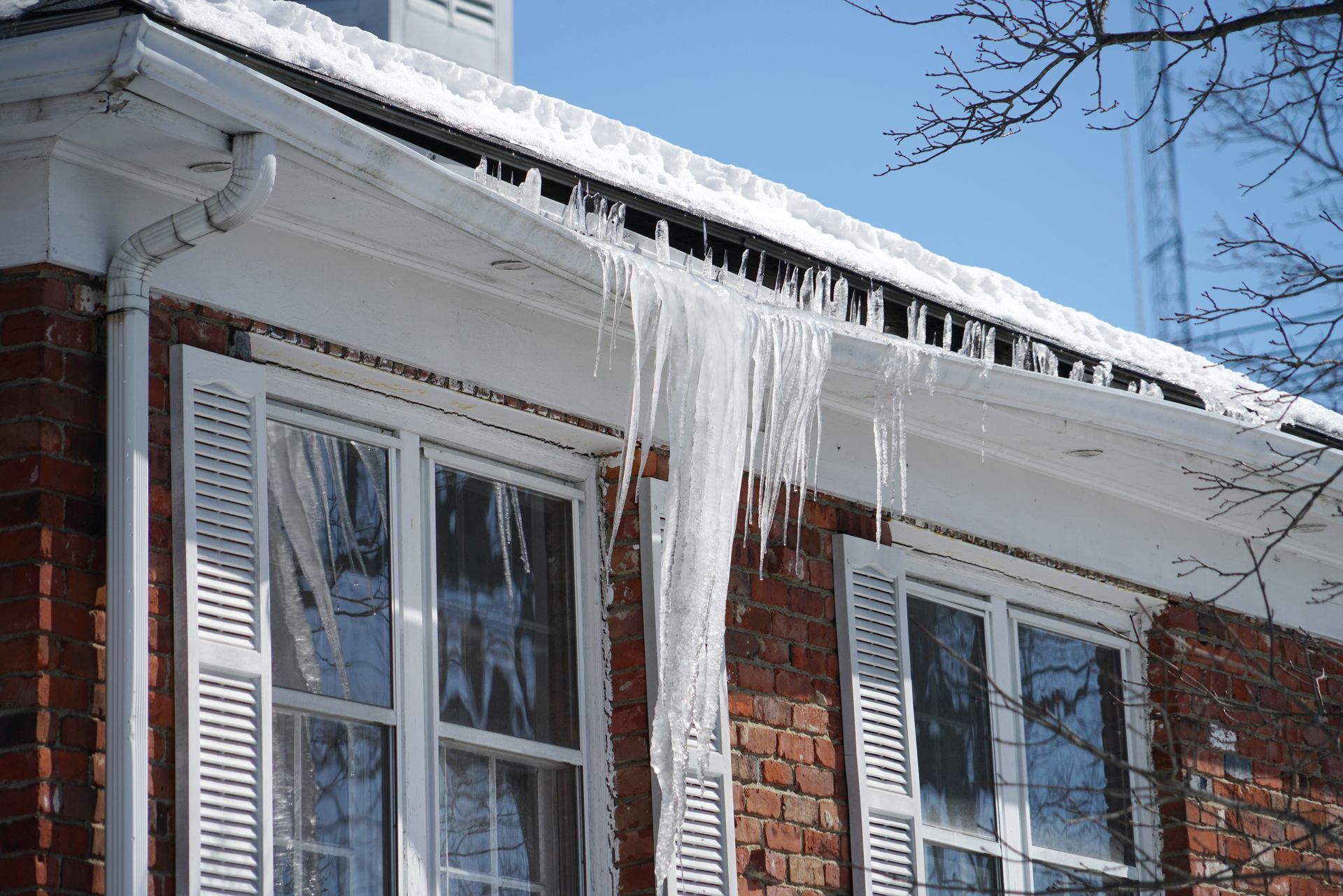
Taking precautions to prevent ice dams is an important part of preparing your home for winter weather. Knowing what an ice dam is , minimizing the conditions that allow one to form and removing an ice dam as soon as you spot one can help prevent serious damage to both the roof and the inside of your home. Take action before snow starts falling An ice dam may develop during the cold winter months if warm air from your home or attic melts snow on your roof. In freezing temperatures, the melted snow may refreeze once it reaches the colder edge of the roof. Keeping the temperature of your attic at 32°F or below can help prevent snow from melting and ice dams from developing. The following are some steps you can take to help prevent the snow melting-and-freezing cycle that often causes ice dams: Insulate your attic. Be sure your attic is properly insulated to help prevent warmth from escaping through ceilings. Whenever possible, an insulation value of R-40 is recommended. Prevent air leaks. Check and seal any openings where warm air or heat could escape into the attic, such as insulating or caulking around vent pipes, exhaust fans, chimneys, attic hatches and/or light fixtures. Improve ventilation. Increase the number or size of attic, roof or soffit vents that allow cold air to circulate and flush warmer air out during the winter. Install a water-repellent membrane. When replacing the roof covering, install a water-repellent membrane underneath the shingles. This acts as an extra barrier that helps prevent water from seeping inside the building should an ice dam form. Tips to help prevent ice dams through the winter Ice dams can sometimes form despite your best efforts to keep your roof at the proper temperature. Be sure to monitor the weather and maintain your roof throughout the colder winter months for additional protection against ice dams, such as: Clear gutters and downspouts. Prevent water from accumulating and possibly freezing in your gutters by cleaning leaves, debris and snow accumulation from in and around gutters and downspouts. Making sure that your gutters are properly pitched can also help prevent the collection of water in low spots and help reduce the potential for ice buildup in gutters. Remove snow accumulation from your roof after every storm. Whenever possible, use a roof rake to clear snow about three to four feet from the edge of your roof soon after each storm. Snow accumulation along the edge of your roof increases the likelihood of an ice dam developing, which prevents water from draining off the roof. This water can then back up underneath roof shingles and make its way into your home. Remove ice dams as soon as you spot them. Check your roof often and know how to help identify and remove an ice dam. CAUTION: Avoid using a ladder in snowy and icy conditions. This can be extremely dangerous and is best left to the professionals. For questions or concerns about insurance to protect your home’s roof, please contact us at 302-731-0044 , or email lisa@broadbentins.com . Our agents and staff are available Monday-Friday, 8 a.m. to 5 p.m. ET, with the exception of holidays.

Lisa Broadbent Insurance, Inc., in Hockessin explains why your auto insurance policy needs a yearly review. Call 302-731-0044 or click here to learn more.

Discover trusted auto insurance in Hockessin from Lisa Broadbent Insurance Inc. Contact 302-731-0044 for expert and professional local coverage today!
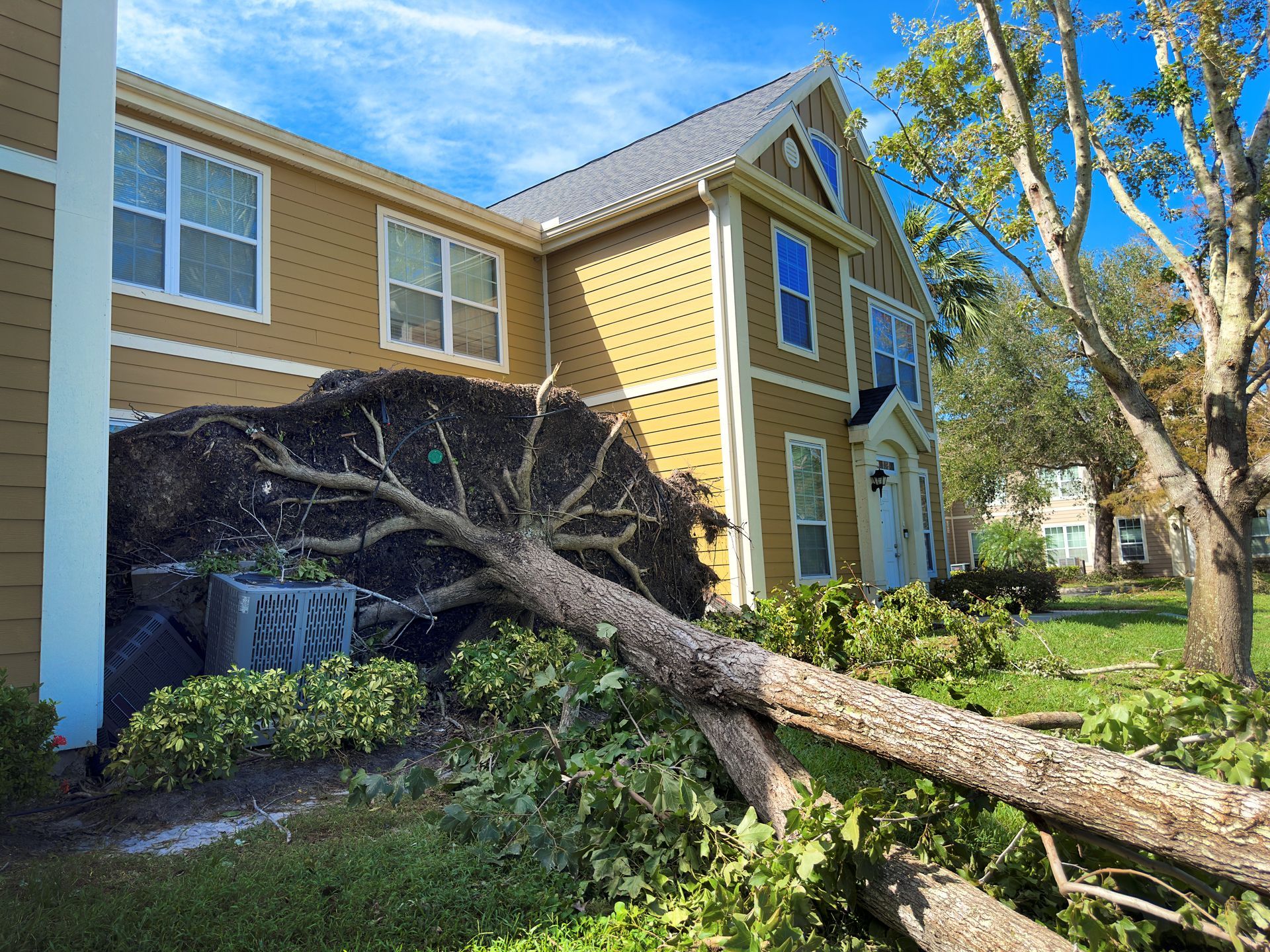
Check your hurricane insurance coverage today.






