

6 Surprising Factors Affecting The Cost of Commercial Auto Insurance
Lisa Broadbent • June 27, 2017
by: Travelers
Accidents happen.
And when they do, people expect their auto insurance premiums to rise. That cause and effect relationship is easy to understand.
But even safe drivers are noticing their coverage is becoming more expensive. Owners of large commercial fleets are especially hit hard when rates rise. The truth is that accident history is just a small part of a much bigger picture, created by the confluence of several macro trends.
Here are six unexpected reasons why your commercial auto premiums may be increasing:
1. More Miles Driven
When the recession hit, companies naturally scaled back. Manufacturers produced less; there were fewer sales calls and deliveries to be made. Drivers were laid off as demand dropped.Since the economy’s been improving, activity is picking up again.
“The need to receive component parts and deliver goods is back up,” said David Nelson, 2nd Vice President of Auto in Commercial Accounts, Travelers.
But rather than hiring more drivers and buying new vehicles right off the bat, companies are instead relying on their core workforce to pick up more work.
“Trucks are being driven more miles, but there aren’t necessarily more trucks. Owners would rather get the most out of their current vehicles before they start adding more,” Nelson said. “The increased risk of more miles per truck will be compounded as the economy continues to improve and companies eventually do need to add vehicles to keep up with demand.”
David Nelson
2nd Vice President of Auto in Commercial Accounts
2. Inexperienced Drivers
The commercial driver shortage continues to increase risks on the road.Driving long distances is a hard job, so recruiting has never been easy. Now, many experienced drivers are approaching retirement age.
“The lingering question is, where is the next group of truck drivers going to come from? Will they have the same skills and capacity as the generation that’s retiring?” said Chris Hayes, 2nd Vice President of Transportation Risk Control, Travelers.
New regulations may make recruiting drivers even harder. For example, electronic time logs and tracking sheets will replace paper formats by December, 2017.
“Drivers perceive this change as more oversight, and it also means they may have to be more accurate or inclusive in their reporting. The new system will require a level of electronic engagement not all drivers are comfortable with,” Hayes said.
Stricter safety standards and less independence might turn off potential new drivers. While an improving economy means transportation companies are hiring, it also means the talent pool likely has options in other types of service jobs, like factory or construction work.
Those that do get behind the wheel with less experience present a larger risk.
3. Lower Fuel Prices
“There’s a direct correlation between fuel prices and national accident frequency,” Hayes said.The number of accidents per year has dropped steadily since the early 2000s.
“According to the Department of Transportation’s Fatality Analysis Reporting System, in 2005, there were roughly 43,000 people killed in motor vehicle accidents. By 2014, it dropped to about 32,000,” Hayes said. Some attribute the decrease to safer cars and more awareness around the dangers of drunk driving. But price at the pump played an even bigger role.
When gas is expensive, people limit their time on the road, which leads to a lower accident frequency.
“We saw the least accidents when gas hit its peak at $4 per gallon, and accidents started increasing when it dropped back to $2 per gallon,” Nelson said.
The relatively stable gas prices may mean more cars on the road both for business and personal use. And more cars equal more accidents.
4. Distracted Driving
Screens are drawing a bigger share of drivers’ attention.“Driving has always had an element of distraction, with texting being a notable recent example, but now dashboard ‘infotainment’ centers are an increasing concern,” Hayes said. “With their radio, GPS, Bluetooth and internet search functions, these systems require a lot of visual engagement.”
Texting, however, has also become a dangerous distraction for those traveling on foot.
“In some of our delivery zones, we were seeing an increased frequency of pedestrian strikes, and we spent some time investigating what drivers were doing differently,” Nelson said. “We found that the drivers weren’t necessarily doing anything wrong; it was the people around the vehicles who were less attentive.”
Semi-autonomous driving also creates opportunities for drivers’ minds to wander.
“As you move into what’s called ‘level two’ autonomous driving, you have multiple safety systems linked together, and there’s a risk that you’ll pay less attention to your driving because you assume your vehicle will take over those functions for you,” Hayes said.
“In other words, the safety benefits of these systems may be somewhat offset by the false sense of security that they provide and less driver attention.”
5. Aggressive Attorneys
In the past, larger claims for amounts of $100,000 or more would have an attorney involved roughly 70 percent of the time. “Now, we are seeing attorneys getting involved in claims as small as $25,000,” Nelson said.One theory behind the shift is that many law school graduates entering the workforce during the recession had to forge their own paths while firms weren’t hiring, so they went after smaller claims aggressively to generate revenue from an untapped source.
“Some attorneys are specializing in leveraging all of the information available about drivers or operations of a vehicle to prove negligence on the part of the transportation company, often with a good deal of success,” Nelson said.
“The Federal Motor Carrier Safety Administration’s Safety and Fitness Electronic Records System, also known as SAFER, includes number of accidents for a given company, frequency of inspections and violations as a result of those inspections,” Hayes said. “The publicly available data was originally intended for state troopers, federal motor carrier enforcement officers and other people involved in trucking safety to better engage with trucking companies.”
The data was originally meant to improve safety by informing drivers and transportation companies of what they were doing wrong, assuming that if they can measure their performance, they can improve it.
Attorneys now are latching onto that data as evidence that if a particular company or driver has more accidents than the national average, they are more likely to be the negligent party.
“It’s definitely something that can be used to try to influence a jury,” Nelson said.
6. Increasing Medical Costs
An increase in the frequency and cost of soft tissue surgical procedures is another factor making auto claims more expensive.“There’s a broad cost to deliver care in America. That trend isn’t going away any time soon, and the auto insurance market is impacted by that,” Nelson said. Injuries from auto accidents can run the gamut in terms of severity, but soft tissue injuries in the form of strains and sprains are prevalent. Injuries involving surgery often take longer to heal and require follow-up treatments as well.
All of these factors can drive up the cost of claims, which in turn can lead to higher premiums for insureds. Owners of large commercial fleets have the most exposure, but any company utilizing vehicles for business purposes – even if those vehicles are employees’ personal cars – can feel the impact of rising auto insurance premiums. Keeping an eye on these larger market and economic trends can help insureds not only understand their premium costs, but also anticipate what’s to come.

Automobile insurance in Hockessin, DE, can shield you from repair bills, medical costs, and liability claims. Call Lisa Broadbent Insurance, Inc. to find the right coverage today.

Avoid costly mistakes in automobile insurance with Broadbent Insurance, Inc. Serving Hockessin, DE, drivers. Click here for the best advice and coverage tips!

Need commercial vehicle insurance in Hockessin, DE? Lisa Broadbent Insurance, Inc. can help protect your business. Call us at 302-731-0044 today.
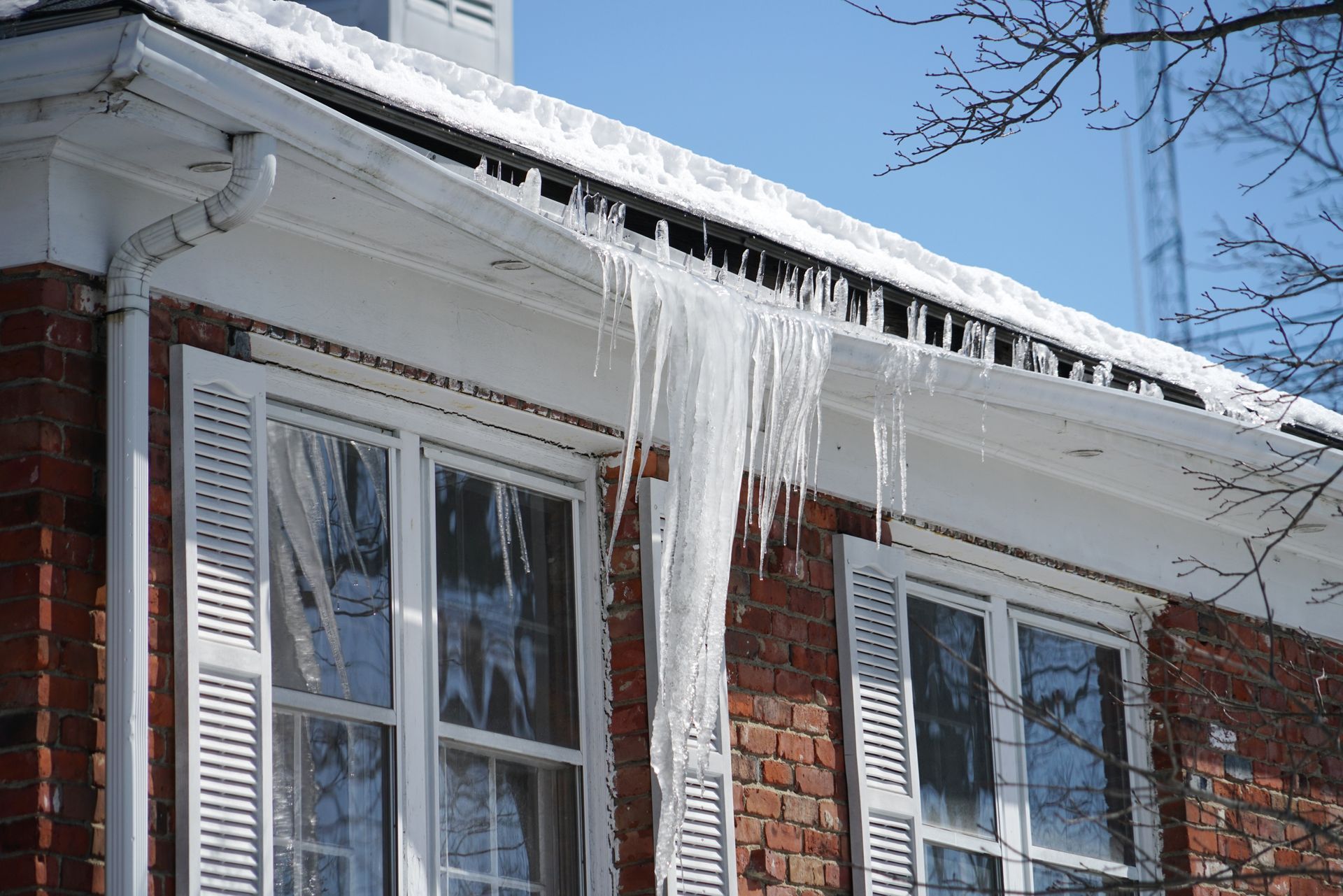
Taking precautions to prevent ice dams is an important part of preparing your home for winter weather. Knowing what an ice dam is , minimizing the conditions that allow one to form and removing an ice dam as soon as you spot one can help prevent serious damage to both the roof and the inside of your home. Take action before snow starts falling An ice dam may develop during the cold winter months if warm air from your home or attic melts snow on your roof. In freezing temperatures, the melted snow may refreeze once it reaches the colder edge of the roof. Keeping the temperature of your attic at 32°F or below can help prevent snow from melting and ice dams from developing. The following are some steps you can take to help prevent the snow melting-and-freezing cycle that often causes ice dams: Insulate your attic. Be sure your attic is properly insulated to help prevent warmth from escaping through ceilings. Whenever possible, an insulation value of R-40 is recommended. Prevent air leaks. Check and seal any openings where warm air or heat could escape into the attic, such as insulating or caulking around vent pipes, exhaust fans, chimneys, attic hatches and/or light fixtures. Improve ventilation. Increase the number or size of attic, roof or soffit vents that allow cold air to circulate and flush warmer air out during the winter. Install a water-repellent membrane. When replacing the roof covering, install a water-repellent membrane underneath the shingles. This acts as an extra barrier that helps prevent water from seeping inside the building should an ice dam form. Tips to help prevent ice dams through the winter Ice dams can sometimes form despite your best efforts to keep your roof at the proper temperature. Be sure to monitor the weather and maintain your roof throughout the colder winter months for additional protection against ice dams, such as: Clear gutters and downspouts. Prevent water from accumulating and possibly freezing in your gutters by cleaning leaves, debris and snow accumulation from in and around gutters and downspouts. Making sure that your gutters are properly pitched can also help prevent the collection of water in low spots and help reduce the potential for ice buildup in gutters. Remove snow accumulation from your roof after every storm. Whenever possible, use a roof rake to clear snow about three to four feet from the edge of your roof soon after each storm. Snow accumulation along the edge of your roof increases the likelihood of an ice dam developing, which prevents water from draining off the roof. This water can then back up underneath roof shingles and make its way into your home. Remove ice dams as soon as you spot them. Check your roof often and know how to help identify and remove an ice dam. CAUTION: Avoid using a ladder in snowy and icy conditions. This can be extremely dangerous and is best left to the professionals. For questions or concerns about insurance to protect your home’s roof, please contact us at 302-731-0044 , or email lisa@broadbentins.com . Our agents and staff are available Monday-Friday, 8 a.m. to 5 p.m. ET, with the exception of holidays.

Lisa Broadbent Insurance, Inc., in Hockessin explains why your auto insurance policy needs a yearly review. Call 302-731-0044 or click here to learn more.

Discover trusted auto insurance in Hockessin from Lisa Broadbent Insurance Inc. Contact 302-731-0044 for expert and professional local coverage today!
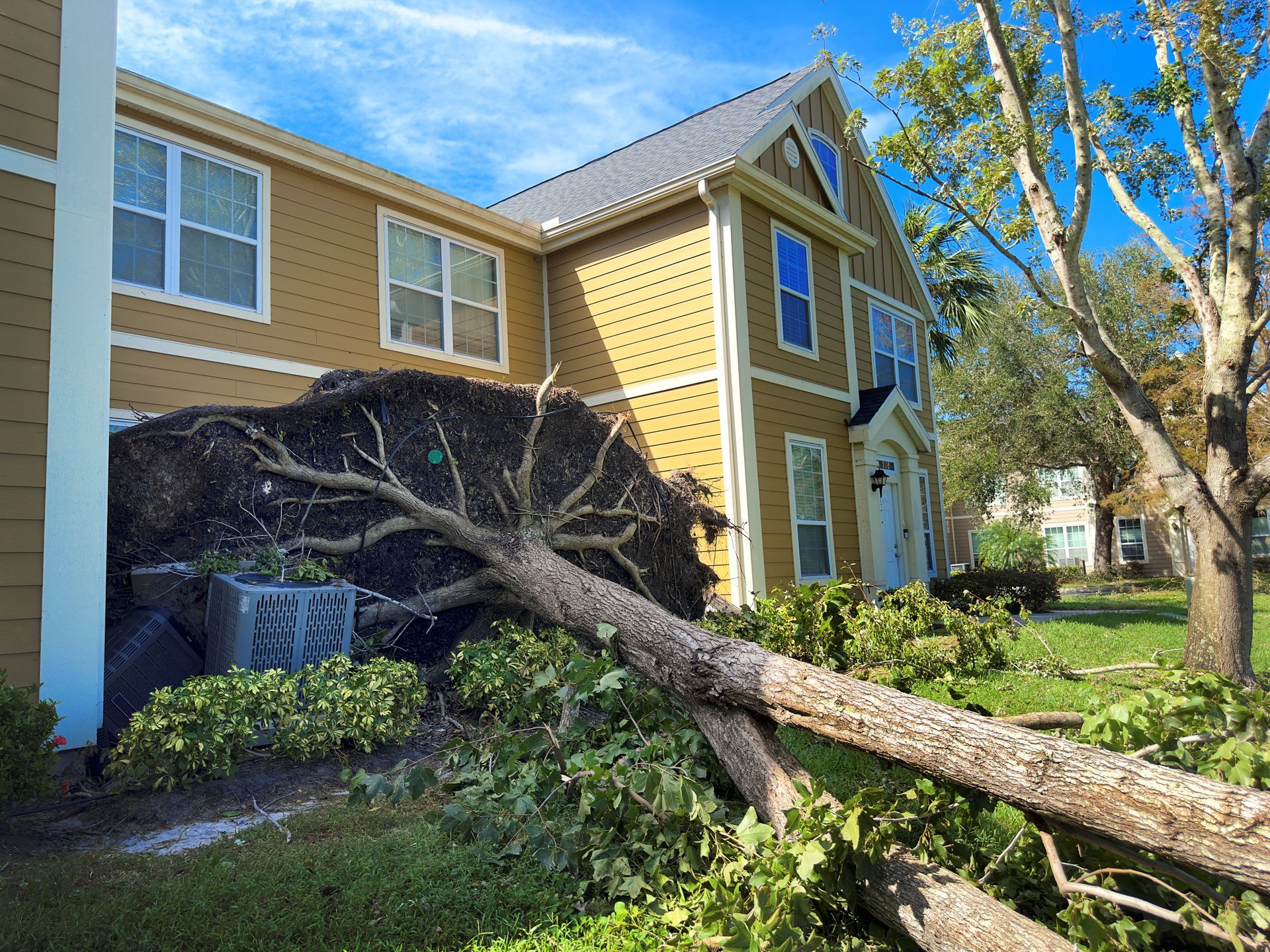
Check your hurricane insurance coverage today.

Why aren't homeowners buying flood insurance? They may believe one of these myths.

The Dress, The Date, The Hair, The Music, and what to do after… all things that are on your teen's mind before the infamous prom night. Driving is usually not an important component in a teen's mind, but for parents it can be a big worry. Many parents often overlook the need to have honest discussions with their teens about safe driving and avoiding alcohol and drugs. Statistics show that prom and graduation season—the months of April, May and June—are the most dangerous time for teens. One-third of the alcohol-related traffic fatalities involving teens each year occur during those months. Here's an honest and teen-friendly guide to sharing concerns with your teen for one of the most important nights of their adolescent career. Many parents often overlook the need to have honest discussions with their teens about safe driving and avoiding alcohol and drugs. Have a good time. Explain to your teen that you want them to have fun and enjoy themselves. Just don't drink. Years from now, they will laugh when looking back at prom, but not if they don't remember the night. Relate it to your prom. Explain to them what you did right or wrong and what the consequences were. Don't be afraid to tell them the truth if you made some bad judgment calls. This can only help them to feel that you are human and that you regret those decisions and don't want them to make the same. Remind them of their future. High school is a great time, but they have their whole future ahead of them. Don't ruin that by drinking or doing drugs on Prom night or any night. Immature vs. Mature. Your teen may think that drinking or doing drugs and driving is what the grown-up thing is to do. Explain to them that is the most immature and irresponsible decision they could make. Being mature is about making the right decision and keeping your future in sight. Drive safe! If they are driving, make sure that they understand the responsibility of driving on Prom night. Share these six tips with your teen: Wear seatbelts. Don't speed. Be a defensive driver. Not everyone on the road is going to be as safe as you, watch out for other unsafe drivers. Don't drink or do drugs. This impairs judgment for driving and could potentially end in a fatality. If you do make a mistake, or find yourself in an uncomfortable situation, call your parents immediately. They will respect you for being mature enough to see the danger and making the right call. Don't ride with anyone who has been drinking or doing drugs. This takes your life out of your hands. Pay attention to the road while driving. Don't get distracted with cell phones, radio, or passengers. Driving is a very important responsibility and shouldn't be taken lightly. Teenage drivers have the highest crash risk of any age group and it's largely due to driver error. According to the American Academy of Pediatrics, one in four crash fatalities involve someone 16 to 24 years old, nearly twice as high as other age groups. Don't let your teenager be a statistic. Talk with your teen and communicate the importance of safe driving on Prom night and every night. Your safety is number one to us. If you want to make sure you have the right insurance coverage for your teen driver, you can contact the insurance team at Lisa Broadbent Insurance at (302) 731-0044 today to get an evaluation and free quote. Stay safe wherever you choose to go on the road.
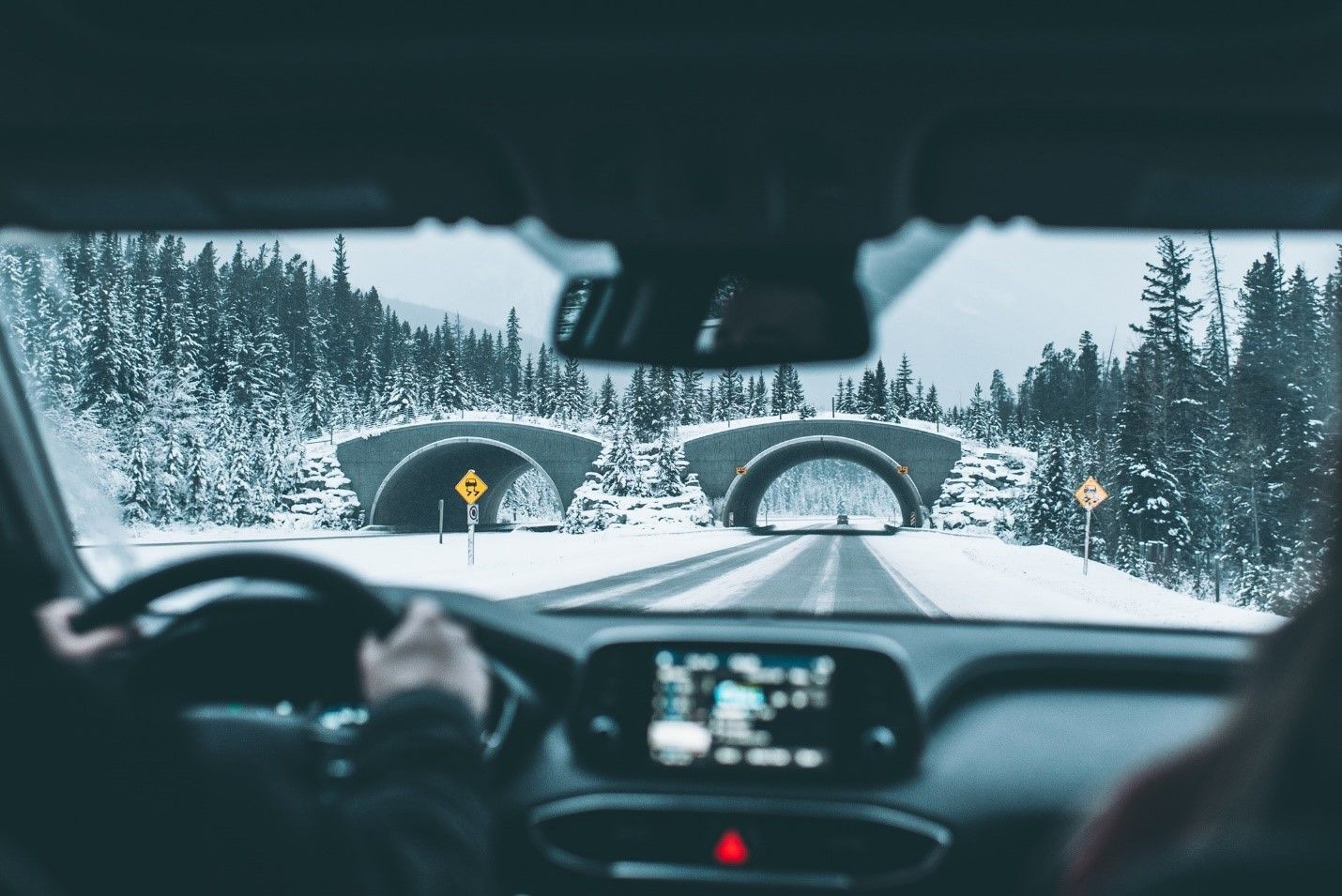
Stay safe on the roads this winter with essential driving tips from Broadbent Insurance. Learn how to prepare your vehicle and drive confidently in snowy conditions.






